
What Is a Clean Title? Your Guide to Vehicle History
Understand what a clean title means for your car. Learn the importance, how to check it, and why it matters for your vehicle's value and safety. Get the full details here.
What Is a Clean Title? Understanding Vehicle Titles
Buying a car is a big deal. You want it to be safe and reliable. One key thing to check is the car's title. A clean title is good news. It means the car has not had any major damage or issues.
This guide will help you learn about clean titles. You will also learn other things like salvaged title and junk title. Knowing the title is key to making a smart car purchase. Keep reading to understand what a clean title means for you.
Why Should I Know What Is a Clean Title?
Knowing about a clean title is important for many reasons. A clean title tells you the car has not been in a serious accident. It also shows the car has not been declared a total loss by an insurance company. This is a good sign for the car's condition.
A clean title can also affect the car's value. Cars with clean titles usually sell for more money. Buyers know they are getting a car that has not had big problems. It is important to know the car's history. You can make sure you are getting a fair price. You can also avoid buying a car with hidden issues.
Clean Title vs. Other Title Types: Understanding the Differences
A clean title means the car is in good shape. But there are other types of titles you should know about. These titles tell you about the car's history and condition. Here are some common types:
- Salvage Title: A salvage title means the car was badly damaged. An insurance company likely declared it a total loss. The car might have been in a crash or flooded.
- Rebuilt Title: A rebuilt title means a car with a salvage title has been fixed. It has been repaired to a safe condition. However, it may still have had major damage in the past.
- Junk Title: A junk title is for cars that are not worth fixing. These cars are usually only good for parts or scrap.
- Flood Title: This title shows the car was damaged by flooding. Water can cause a lot of problems to a car.
- Lemon Title: Some states give a lemon title to cars that have had many problems that could not be fixed.
It's important to understand these different titles. This will help you make a smart car buying decision.
Key Benefits of a Vehicle with a Clean Title
Buying a car with a clean title has several benefits:
- Higher Resale Value: Cars with clean titles often sell for more money. People want to buy cars without major problems.
- Better Reliability: Cars with clean titles are less likely to have hidden issues. They have not been in major accidents or floods.
- Easier Financing: Banks may be more willing to give loans for cars with clean titles. They see them as less risky investments.
- Peace of Mind: A clean title gives you peace of mind. You can be confident you are buying a safe and reliable car.
When you are looking at a used car, always check the title. Make sure it's clean. This can save you money and stress in the long run.
How to Check If a Car Has a Clean Title
Checking if a car has a clean title is a must. You can follow these steps:
- Ask the Seller: The first step is to ask the seller for the title. Make sure the title matches the car's VIN.
- Check the Title: Look at the title carefully. Make sure it says "clean" and not "salvage" or "rebuilt."
- Get a Vehicle History Report: A vehicle history report is very helpful. You can get one using the car's VIN. ChassisVIN provides VIN lookup services. This report can show accidents, damage, and other important details.
- Inspect the Car: If possible, have a mechanic check the car. They can look for signs of damage that might not be on the title.
By taking these steps, you can make sure the car has a clean title. You can also make sure the car is in good condition.
Using a VIN Decoder to Verify Vehicle History
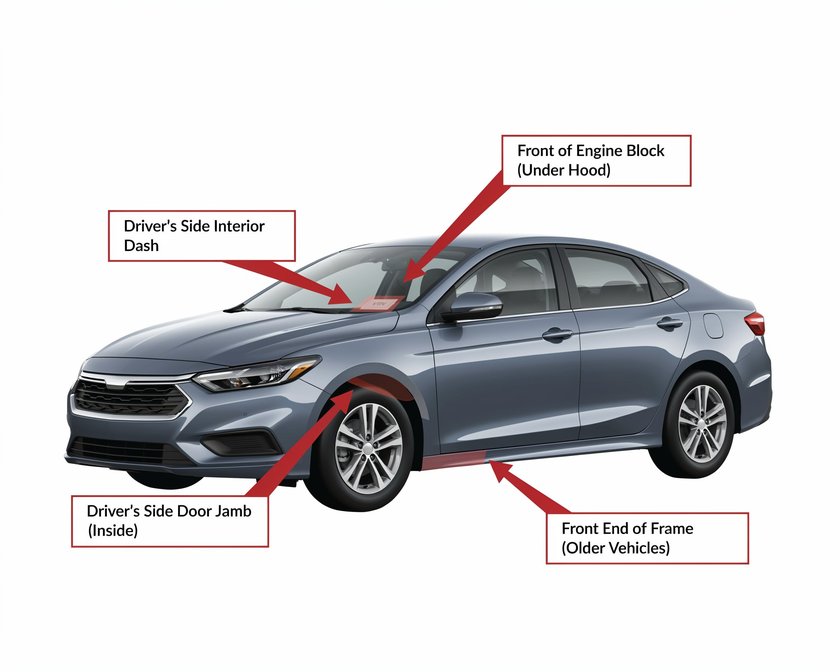
A VIN decoder is a great tool. You can use it to check a car's history. A VIN decoder uses the car's VIN. The VIN is a unique code for each car. You can find the VIN on the car's dashboard or door. It is also on the car's title and registration.
When you put the VIN into a decoder, you can get a vehicle history report. The report will tell you about accidents, repairs, and title issues. You can also find out if the car has a clean title. This is an important step when buying a used car. It helps protect you from buying a car with problems.
What to Do If the Title Is Not Clean
If the title is not clean, you need to be careful. It might mean the car has had problems. Here's what to do:
- Salvage Title: A salvage title means the car was badly damaged. You should carefully think before buying. It might be unsafe or hard to fix.
- Rebuilt Title: A rebuilt title means the car has been fixed after being damaged. Make sure the repairs were done well. You may want to get a mechanic to check the car.
- Flood or Lemon Title: These titles show the car has had specific issues. You might want to avoid these cars. The issues could be hard to fix.
If the title is not clean, you can still buy the car. But, you need to know the risks. Always check the car carefully. You might also be able to negotiate a lower price. This depends on the type of title.
Check Your VIN
Tips for Buying a Used Car with a Clean Title
Buying a used car with a clean title is a good idea. Here are some tips to follow:
- Do Your Research: Before you start, know what kind of car you want. Also, know how much you want to spend.
- Check the VIN: Use a VIN decoder to get a vehicle history report.
- Inspect the Car: Look at the car closely. Check for any damage or problems. If possible, get a mechanic to look at it too.
- Test Drive the Car: Take the car for a test drive. Make sure it runs well and that you like how it feels.
- Negotiate the Price: If you find any problems, try to get a lower price.
By following these tips, you can find a good used car with a clean title. This will save you money and problems in the long run.
Legal Aspects and Regulations Regarding Vehicle Titles
Vehicle title rules can vary. They depend on the state. Every state has its own rules about how to title and register a car. These rules also cover what happens if a car is damaged or totaled.
If you want to buy a car, you need to know these rules. You can check your state's DMV website to learn about the rules. This way, you will know what to expect. You also need to know what kind of title the car has. This can affect the car's value and safety. Understanding these rules is important when you are buying or selling a car.
Clean Title vs. Rebuilt Title: What's the Difference?
A clean title means a car has not had major damage. A rebuilt title is for cars that were once damaged. An insurance company declared them a total loss. They have been fixed and are now safe to drive. However, a rebuilt title usually means the car has had a major accident. This can affect the car's value and reliability.
Can You Get a Loan for a Car With a Salvage Title?
Getting a loan for a car with a salvage title can be hard. Many banks will not give loans for these cars. This is because they see them as high-risk. If you want to get a loan, you may need to go to a special lender. They might charge higher interest rates. If you fix up a car with a salvage title, you can get a rebuilt title. Then it may be easier to get a loan.
What Does 'Branded Title' Mean?
A branded title tells you about a car's history. This can include things like if the car was in a flood or had a major accident. The brand on the title can change in each state. This makes it important to check the history before buying a car.
How Do I Get a Clean Title After Repairing a Salvaged Vehicle?
After fixing a car with a salvage title, you may be able to get a rebuilt title. You need to get the car inspected. The inspection will make sure it is safe to drive. Once the car passes inspection, you can get a new title. This is a rebuilt title. It means the car has been repaired and is now safe.
What is a Clean Title and Is It Important?
A clean title is a good thing for a car. It means the car has not had any major problems. It shows the car has not been in a crash or a flood. A clean title is very important. It means the car is safe and has a good value. Always check the title when you buy a car.
What Is The Price of a Vehicle with a Clean Title?
The price of a vehicle with a clean title can change. It depends on many things. These include the car's make, model, year, and condition. Cars with a clean title are usually worth more than cars with other types of titles. This is because people know they have not been in accidents. So, a clean title can increase a car's value.
Additional Resources for Vehicle Title Information
Here are some other links that can help you with vehicle title information:
- Department of Motor Vehicles (DMV) Website: Each state's DMV has information. You can check their website to find out about title rules in your state.
- National Highway Traffic Safety Administration (NHTSA): NHTSA has information on vehicle safety and recalls.
- Vehicle History Report Providers: ChassisVIN helps you check a car's history.
Conclusion: Ensuring a Smart Car Purchase with a Clean Title
Knowing about clean titles is very important. A clean title shows a car is in good condition and has not had major problems. It affects the car's value and reliability. Before buying a car, always check the title. You can also use a VIN decoder to find out more about the car's history. By doing this, you can make a smart decision. You can make sure you are buying a safe and valuable car.
If you want to know more about a car's history, you can search its history by VIN. This can give you peace of mind when you buy a car.
- What Is a Clean Title? Understanding Vehicle Titles
- Why Should I Know What Is a Clean Title?
- Clean Title vs. Other Title Types: Understanding the Differences
- Key Benefits of a Vehicle with a Clean Title
- How to Check If a Car Has a Clean Title
- Using a VIN Decoder to Verify Vehicle History
- What to Do If the Title Is Not Clean
- Tips for Buying a Used Car with a Clean Title
- Legal Aspects and Regulations Regarding Vehicle Titles
- Additional Resources for Vehicle Title Information
- Conclusion: Ensuring a Smart Car Purchase with a Clean Title
Run a Free VIN Check
Pull the real history behind any car — recalls, title brands, odometer trail.
Related Articles

Car Battery Lifespan: How Long Do Car Batteries Last? - ChassisVIN
Understand car battery lifespan. Discover the factors that impact it. Get tips to extend your battery's life and how to get a vehicle history report.
VIN Country Codes: Decoding Your Vehicle's Origin | ChassisVIN
Discover the VIN country codes. Learn how to identify where your car was made. Get a detailed guide to vehicle manufacturing origins and VIN structure.

Best SUVs with Captain Seats: Top 2024 Models | ChassisVin.com
Discover the best SUVs with captain seats in 2024. Get detailed reviews, comparisons, and find the perfect family SUV with extra comfort. Search your VIN now!
Ready to Decode Your VIN?
Get instant results, completely free. No account needed.