
What Type of Transmission Do I Have? Find Out Easily
Wondering what type of transmission your vehicle has? Learn how to identify your transmission type with our easy guide. Decode your VIN today!
What Type of Transmission Do I Have? A Simple Guide
Knowing what type of transmission you have is key. It helps with repairs, maintenance, and even buying parts. Are you curious about your car's transmission? This guide can help you find the information you need. Whether it's an automatic or manual transmission, we'll explore different methods to uncover your vehicle's transmission type.
The right transmission is vital for your vehicle's performance. Knowing your transmission type ensures you can make informed decisions about your car's care. Let’s dive into how you can easily find out what type of transmission is in your vehicle.
Why Should I Know What Type of Transmission Do I Have?
Understanding your transmission type is essential for several reasons. Here’s why it matters:
- Maintenance and Repairs: Specific transmission types require unique maintenance procedures and parts. Knowing your transmission saves time and money.
- Part Replacement: When replacing transmission parts, you must get the correct components for your transmission type. Otherwise, your vehicle may not function correctly.
- Vehicle Performance: Transmission type affects your car's performance, including fuel efficiency and driving experience. Knowing your transmission can help you understand your car better.
- Resale Value: Knowing the details about your car's transmission might affect your car's value.
Understanding your transmission is more than just a technical detail. It's about being a well-informed car owner and ensuring your vehicle gets the care it needs.
Using Your VIN to Find Your Transmission Type
Your Vehicle Identification Number (VIN) is a 17-character code that holds critical details about your car. It is your car's unique fingerprint. The VIN can tell you your car's make, model, year, and, importantly, its transmission type.
Here’s how you can use your VIN:
- VIN Decoder: Use a VIN decoder to get detailed information about your vehicle. ChassisVIN's VIN decoder provides an easy way to find your car’s transmission type, along with other specifications.
- Build Sheet: Some VIN decoders provide access to your car's build sheet. The build sheet is a document listing all the original features and specifications, including the transmission.
Using your VIN is one of the quickest and most reliable ways to determine your transmission type. A VIN decoder will typically provide this information in a matter of seconds.
Locating Your VIN
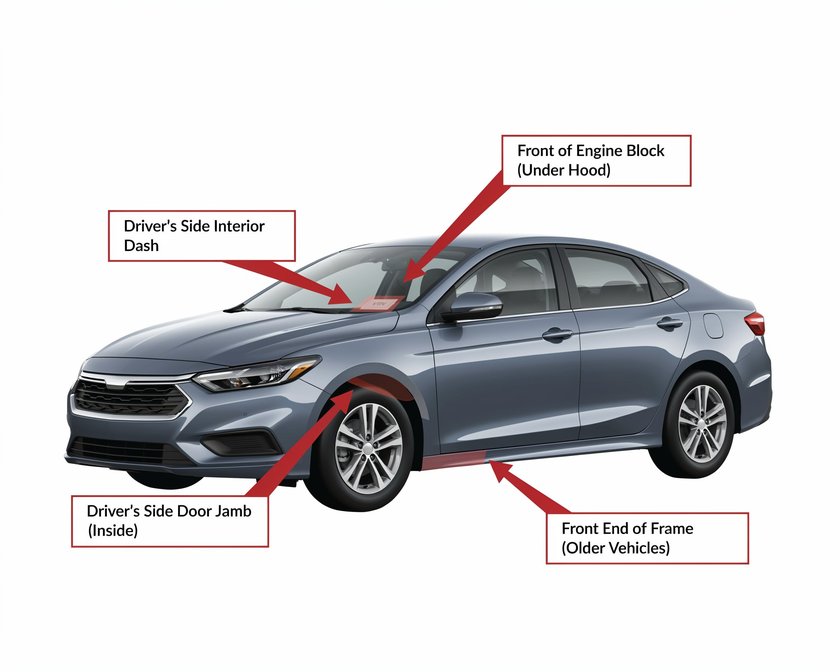
Before you can decode your VIN, you need to locate it. The VIN is usually found in several places on your vehicle:
- Dashboard: Look at the driver's side dashboard, near the windshield. It’s often visible from the outside.
- Driver's Side Door Jamb: Open the driver's side door and check the door jamb or the sticker on the door frame.
- Vehicle Registration: Your car's registration or insurance card will have the VIN.
- Vehicle Title: Your car's title document will have the VIN.
Other Ways to Find Your Transmission Type
Besides your VIN, you can find your transmission type in several other ways:
- Owner's Manual: Your vehicle’s owner's manual usually contains detailed specifications, including transmission information.
- Window Sticker: The original window sticker, if available, will list the transmission type.
- Service Records: If you've had your car serviced, the service records may list the transmission type, especially if any work was done on it.
Decoding the Transmission Codes on Your Vehicle
Once you have your VIN, you can often decode the transmission code directly. Here's a general guideline:
- Automatic Transmissions: Often, automatic transmissions are indicated by codes like “A,” “AT,” or a specific transmission model number (e.g., 4R70W). These codes vary by manufacturer.
- Manual Transmissions: Manual transmissions may be coded with “M,” “MT,” or specific model numbers (e.g., T56).
If you're looking for a more detailed breakdown, consult your owner's manual, or use a VIN decoder for a definitive answer. The codes and their meanings can vary by manufacturer.
Check Your VIN
Understanding the Different Types of Transmissions
There are several types of transmissions, each with its own characteristics:
- Automatic Transmission: This is the most common type, featuring gears that shift automatically without driver input.
- Manual Transmission: Also known as a “stick shift,” the driver must manually shift gears.
- Continuously Variable Transmission (CVT): This type uses a system of belts and pulleys to provide a wide range of gear ratios without fixed gears.
- Dual-Clutch Transmission (DCT): Combines the features of both automatic and manual transmissions for quick gear changes.
Knowing the different types of transmissions will help you understand your vehicle's operation and potential maintenance needs.
Common Transmission Problems and How to Spot Them
Recognizing the signs of transmission problems early can save you from costly repairs. Here are some common issues to watch for:
- Slipping Gears: The engine revs without the car accelerating, or the car loses power while driving.
- Rough Shifting: Gear changes feel jerky or harsh.
- Leaks: Reddish fluid under your car, a sign of transmission fluid leaking.
- Strange Noises: Whining, clunking, or humming sounds from the transmission.
- Burning Smell: Overheating transmission fluid produces a distinct burning odor.
If you notice any of these symptoms, it's essential to have your vehicle inspected by a qualified mechanic. Ignoring these issues can lead to major transmission failure.
Maintenance Tips for Your Transmission
Proper maintenance can extend the life of your transmission:
- Regular Fluid Changes: Follow the manufacturer's recommended interval for transmission fluid changes.
- Check Fluid Levels: Regularly check and top off transmission fluid.
- Inspect for Leaks: Look for fluid leaks under your vehicle.
- Drive Responsibly: Avoid aggressive driving habits, which can put extra stress on your transmission.
Following these simple tips can help keep your transmission in good working condition.
Comparing Transmission Types
Choosing the right transmission depends on your needs and driving style. Here's a quick comparison:
| Feature | Automatic | Manual | CVT | DCT |
|---|---|---|---|---|
| Gear Shifting | Automatic | Manual | Automatic | Automatic (but can be manual) |
| Fuel Efficiency | Generally Good | Often Better | Can be Very Good | Good |
| Driving Experience | Easy | Engaging | Smooth | Sporty |
| Maintenance | Regular fluid changes | Less frequent maintenance | Requires specific service | Similar to automatic |
The best choice depends on your personal preference and driving needs. Think about your daily commute, the types of roads you drive on, and the driving experience you prefer.
Find More Vehicle Information
At ChassisVIN, we offer a wide array of vehicle information services. Explore these tools to learn more about your vehicle:
- VIN Decoder: Uncover detailed information about your car.
- Window Sticker: Get a digital copy of your car's original window sticker.
- Build Sheet: Access your vehicle's build sheet.
- License Plate Lookup: Search for vehicle details by license plate.
Use these services to get a comprehensive view of your vehicle's specifications and history.
- What Type of Transmission Do I Have? A Simple Guide
- Why Should I Know What Type of Transmission Do I Have?
- Using Your VIN to Find Your Transmission Type
- Other Ways to Find Your Transmission Type
- Decoding the Transmission Codes on Your Vehicle
- Understanding the Different Types of Transmissions
- Common Transmission Problems and How to Spot Them
- Maintenance Tips for Your Transmission
- Comparing Transmission Types
- Find More Vehicle Information
Run a Free VIN Check
Pull the real history behind any car — recalls, title brands, odometer trail.
Related Articles

Car Battery Lifespan: How Long Do Car Batteries Last? - ChassisVIN
Understand car battery lifespan. Discover the factors that impact it. Get tips to extend your battery's life and how to get a vehicle history report.

VIN Country Codes: Decoding Your Vehicle's Origin | ChassisVIN
Discover the VIN country codes. Learn how to identify where your car was made. Get a detailed guide to vehicle manufacturing origins and VIN structure.

Best SUVs with Captain Seats: Top 2024 Models | ChassisVin.com
Discover the best SUVs with captain seats in 2024. Get detailed reviews, comparisons, and find the perfect family SUV with extra comfort. Search your VIN now!
Ready to Decode Your VIN?
Get instant results, completely free. No account needed.