
What Is a Title Number for a Car?
Learn what a car title number is, where to find it, and why it's essential. This guide covers title replacement, DMV tips, and more.
What Is a Car Title Number? Where Can You Find It?
The car title number is a unique identifier assigned to your vehicle's title by the Department of Motor Vehicles (DMV) or an equivalent state agency. It serves as a record of ownership and is used to track the vehicle's legal and financial history. If you're asking, “What is a title number?”, think of it as the fingerprint for your car's ownership records.
Understanding where and how to locate this number can save you time and frustration when dealing with vehicle registration, insurance, or title replacement processes. Let’s dive into where you can find your car's title number and why it's so important.
Where Can You Find Your Car Title Number?
Locating your car title number can vary depending on the documentation you have on hand. Here are the common places where you can find it:
Certificate of Title
Your vehicle's title certificate is the most direct source of the title number. It is usually located near the top of the document, labeled as 'Title Number' or 'Document Number.' Keep this document in a safe place, as it’s critical for proving ownership or selling your car.
Vehicle Registration and Renewal Documents
If you don’t have the title certificate, check your vehicle registration or renewal documents. These often include the title number, particularly in states where title and registration systems are closely linked.
Your Local DMV
When in doubt, visit or contact your local DMV office. They can provide the title number after verifying your identity and ownership of the vehicle. Be prepared to present a valid ID and possibly proof of insurance.
Insurance Companies
Some insurance companies keep a record of your title number as part of their documentation. Reviewing your policy details or contacting your insurer might help you locate it.
What Is a Car Title Number?
A car title number is not just a random sequence of digits. It represents a crucial part of your vehicle’s identity. In most cases, it is tied to the vehicle's VIN (Vehicle Identification Number), making it easier to trace ownership, liens, or any legal claims. Without this number, processing transactions like selling your car or securing a title replacement becomes challenging.
For example, if someone asks, 'What is the title number of a car?', it's important to understand its purpose. It confirms ownership and simplifies tasks like transferring the title during a sale.
How Do I Find My Car Title Number?
If you're struggling to locate your car title number, start with the documents mentioned earlier. Ensure all information matches, especially when dealing with the DMV or other institutions, to avoid discrepancies.
Dealing with a Stolen Car Title
A stolen car title can be a significant problem. If you suspect your title has been stolen, act quickly:
- File a police report to document the theft and protect yourself legally.
- Contact your local DMV to notify them of the situation.
- Apply for a duplicate title to ensure you maintain ownership rights.
Handling a Lost Car Title
Losing your car title can feel overwhelming, but the process for obtaining a replacement is straightforward. Here’s what you’ll need:
- A completed application for a duplicate title (available from your DMV).
- A valid form of identification, such as a driver’s license.
- Any applicable fees, which vary by state.
Once your application is approved, the DMV will issue a new title, complete with a unique title number.
Preparing for Title Replacement
Whether your title is lost, stolen, or damaged, preparing for a replacement ensures a smoother process:
- Gather all required documents, including proof of insurance and vehicle registration.
- Double-check that your VIN and personal information match the DMV records.
- Consider expediting the process if you need the title urgently. Many states offer express services for an additional fee.
Having this information ready can save time and reduce stress.
Conclusion
Understanding ‘what is a car title number’ and its significance can make vehicle-related tasks much simpler. From locating it on your documents to handling lost or stolen titles, being informed is your best tool. For additional resources or to look up your car’s details, visit services like VIN Decoders or Build Sheets by VIN. These tools can help verify information and provide peace of mind.
Why Is a Car Title Number Important?
The car title number plays a critical role in various legal and administrative processes involving your vehicle. Here's why it’s important:
- Proof of Ownership: The title number confirms legal ownership of the car, which is essential for transactions like selling or gifting your vehicle.
- Preventing Fraud: The unique identifier helps prevent title fraud by ensuring a vehicle's history is accurately tracked.
- Liens and Loans: Financial institutions often use the title number to verify ownership before approving loans or liens.
- Facilitating Insurance Claims: Insurance companies may require the title number to process claims and validate vehicle details.
Understanding the importance of the title number can help you maintain accurate records and avoid complications in the future.
Check Your VIN
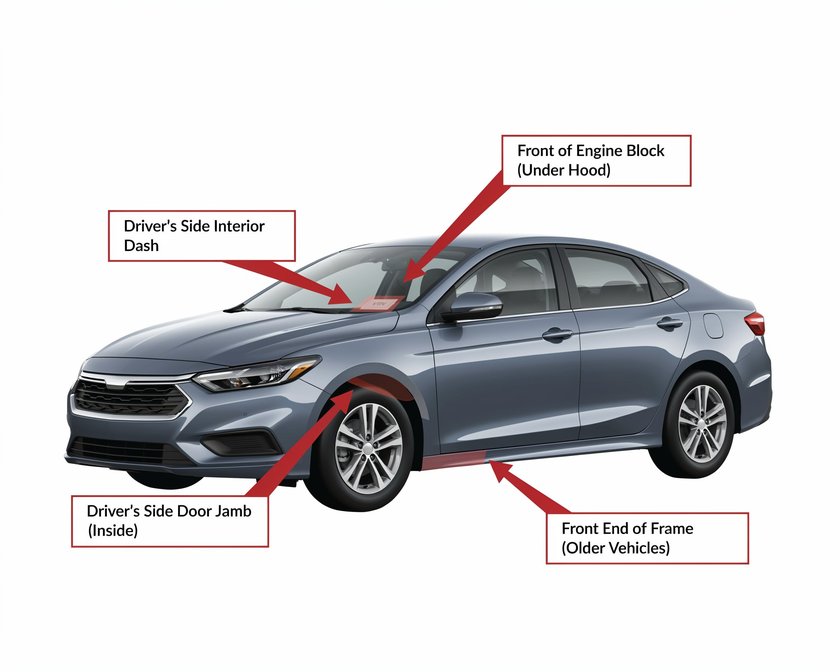
How Is a Car Title Number Different from a VIN?
While the car title number and Vehicle Identification Number (VIN) are closely related, they serve different purposes:
- Car Title Number: This is issued by the state and is specific to the car's title document. It may change if a new title is issued, such as during a transfer of ownership.
- VIN: The VIN is a 17-character code assigned to the vehicle by its manufacturer. It is permanent and uniquely identifies the vehicle, tracking its history from production to end-of-life.
In summary, the title number tracks the ownership and legal status of the vehicle, while the VIN provides a detailed history of the car itself.
Can a Car Title Number Change?
Yes, a car title number can change in certain circumstances. Here are some scenarios where this might happen:
- Title Replacement: If your title is lost, stolen, or damaged, the replacement document may be issued with a new title number.
- Ownership Transfer: When you sell or gift your car, the new owner will receive a title with a different title number.
- State Relocation: Moving to a new state may require you to re-title your vehicle, resulting in a new title number specific to that state.
It's important to keep track of your most recent title number to avoid confusion or issues with legal and financial transactions.
Common Issues with Car Title Numbers
Car title numbers are crucial, but they can sometimes lead to challenges. Here are some common issues and how to resolve them:
- Title Number Errors: Mistakes on the title document can delay transactions. Always double-check the information and request corrections from your DMV.
- Duplicate Titles: Having multiple titles for the same vehicle can cause confusion. Ensure any old or invalid titles are marked void or destroyed.
- Fraudulent Titles: Beware of title fraud, especially when buying used vehicles. Verify the title number with the DMV to ensure it matches the vehicle's history.
- Missing Title Numbers: If your documents are missing the title number, contact your DMV for assistance in retrieving it.
Addressing these issues promptly can save time and prevent legal complications.
How to Verify a Car Title Number
Verifying a car title number is an essential step when purchasing a used vehicle or resolving title disputes. Here’s how you can do it:
- Use Online Title Lookup Tools: Services like VIN Decoders or title lookup tools allow you to check title information quickly.
- Contact the DMV: Visit or call your local DMV office to verify the title number against their records.
- Request a Vehicle History Report: Services like Carfax provide detailed reports that include title status, liens, and previous ownership.
Verification helps ensure the vehicle you’re dealing with has a clean title and no hidden issues.
Tips for Keeping Your Title Number Safe
Protecting your car title number is crucial to avoid fraud or misplacement. Here are some tips to keep it safe:
- Store the Title Securely: Keep your title in a safe location, such as a locked file cabinet or a safety deposit box.
- Avoid Carrying It in Your Car: Never leave the title in your vehicle to reduce the risk of theft.
- Use Digital Copies: If your state allows, maintain a digital copy of your title for reference, but never share sensitive information without verifying the recipient.
- Monitor Vehicle Records: Regularly check your vehicle's title status through the DMV or third-party services to ensure no unauthorized changes have occurred.
These practices can help you avoid complications and ensure the security of your vehicle documentation.
Can You Transfer a Car Without a Title Number?
Transferring a car without a title number can be challenging but not impossible in some cases. Here's what you need to know:
- Lost Titles: If the title is lost, you’ll need to apply for a duplicate title before transferring ownership.
- Bill of Sale: In some states, a signed bill of sale can temporarily substitute for a title during a private sale.
- State Regulations: Rules vary by state, so check with your local DMV to understand the requirements.
- Proof of Ownership: Additional documentation, like old registration papers or loan payoff letters, may be required to prove ownership.
While transferring without a title number is complex, following the right procedures can help you complete the transaction legally.
- What Is a Car Title Number? Where Can You Find It?
- Where Can You Find Your Car Title Number?
- What Is a Car Title Number?
- How Do I Find My Car Title Number?
- Dealing with a Stolen Car Title
- Handling a Lost Car Title
- Preparing for Title Replacement
- Conclusion
- Why Is a Car Title Number Important?
- How Is a Car Title Number Different from a VIN?
- Can a Car Title Number Change?
- Common Issues with Car Title Numbers
- How to Verify a Car Title Number
- Tips for Keeping Your Title Number Safe
- Can You Transfer a Car Without a Title Number?
Run a Free VIN Check
Pull the real history behind any car — recalls, title brands, odometer trail.
Related Articles

Car Battery Lifespan: How Long Do Car Batteries Last? - ChassisVIN
Understand car battery lifespan. Discover the factors that impact it. Get tips to extend your battery's life and how to get a vehicle history report.

VIN Country Codes: Decoding Your Vehicle's Origin | ChassisVIN
Discover the VIN country codes. Learn how to identify where your car was made. Get a detailed guide to vehicle manufacturing origins and VIN structure.

Best SUVs with Captain Seats: Top 2024 Models | ChassisVin.com
Discover the best SUVs with captain seats in 2024. Get detailed reviews, comparisons, and find the perfect family SUV with extra comfort. Search your VIN now!
Ready to Decode Your VIN?
Get instant results, completely free. No account needed.