
VIN Swap Meaning: What You Need to Know
Understand the VIN swap meaning, its risks, and how to protect yourself from fraud. Get the facts on swapped VINs and how to check vehicle history.
VIN Swap Meaning: Unveiling the Truth
Buying a car is a big deal. You want to make sure you're getting a good deal on a reliable vehicle. But, what if someone messes with the car's identity? This is where understanding the VIN swap meaning comes in. A VIN swap is when someone illegally replaces a vehicle's original Vehicle Identification Number (VIN) with a different one. This can be done to hide a car's history, such as if it was stolen, salvaged, or has serious damage. This article dives deep into the VIN swap meaning and its implications, and how to protect yourself. Learn about the red flags and safeguard your investment. You can find out about a vehicle's history with a VIN decoder.
What Does VIN Stand For?
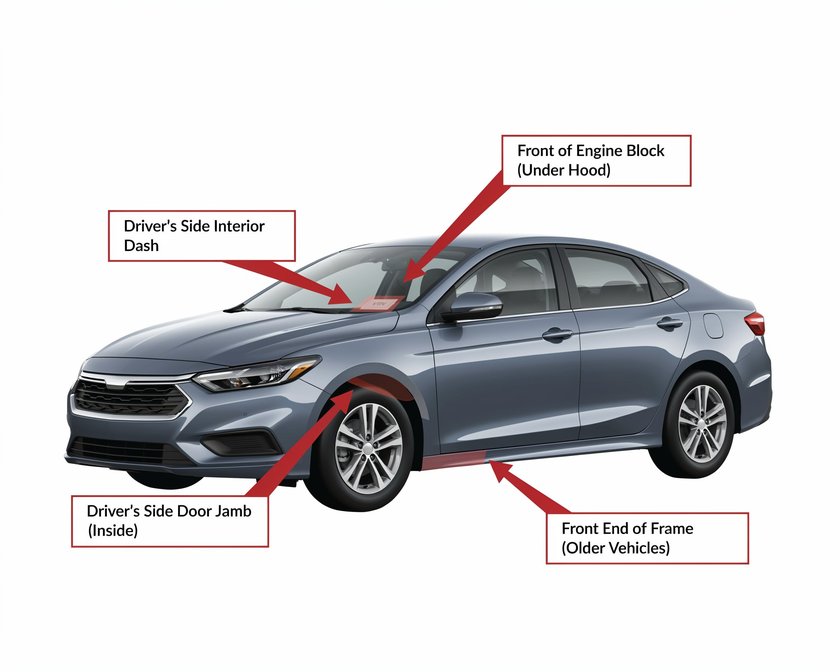
Before we talk about VIN swapping, it's important to know what a VIN is. VIN stands for Vehicle Identification Number. It's a unique 17-character code assigned to every car, truck, and motorcycle made since 1981. Think of it like a car's fingerprint. A VIN contains crucial information about a vehicle, including its manufacturer, model, year, and features. It helps track a car's history, ownership, and any problems it might have had. You can find the VIN on the dashboard, driver's side doorjamb, and on the vehicle's registration documents. It also is the most important information when you want to generate a window sticker.
Why Should I Know VIN Swap Meaning?
Knowing about VIN swapping is crucial for any car buyer. Here's why:
- Avoid Scams: VIN swapping is often used to hide a vehicle's true history. This could include major accidents, flood damage, or even being stolen.
- Protect Your Money: Buying a car with a swapped VIN can lead to financial loss. You might end up with a vehicle that's worth less than you paid, or one that's unsafe to drive.
- Stay Safe: Cars with swapped VINs can have hidden mechanical problems or safety issues. Understanding the VIN swap meaning can help you avoid these risks.
- Legal Trouble: VIN swapping is illegal. If you knowingly buy a car with a swapped VIN, you could face legal consequences.
A VIN swap typically involves taking the VIN from a legitimate car (often a similar model) and placing it on a stolen, damaged, or otherwise problematic vehicle. This makes the problem car seem clean and safe.
How Does VIN Swapping Work?
VIN swapping is a deceptive practice that involves changing a vehicle's identity. Here’s a breakdown of how it typically works:
- Acquiring a VIN: The criminals get a valid VIN from a similar vehicle. This may be from a wrecked car, a car that was never registered, or a car that is currently on the road.
- Preparing the Fraudulent Vehicle: The criminal selects a vehicle to which they will apply the new VIN. The criminal may use the parts of a wrecked car to build a new one or repair a stolen car.
- Removing and Replacing the VIN: The criminal will then remove the VIN plate from the fraudulent vehicle. They replace it with the VIN from the legitimate car. This can involve removing and replacing the VIN plate on the dashboard and any other places the VIN is visible. They may also alter the car's title and registration documents to match the new VIN.
- Selling the Vehicle: With its false identity, the vehicle is then sold to an unsuspecting buyer. The fraudster hopes the buyer won't do their homework and discover the deceit.
This process makes it difficult for the buyer to discover the vehicle's true history. It's essential to recognize red flags and take precautions to protect yourself. If you want to know about your vehicle, use the build sheet by VIN feature.
Red Flags of a VIN Swapped Car
Spotting a swapped VIN can be tricky, but some red flags can help you identify a potentially fraudulent vehicle:
- Inconsistent VINs: Check the VIN in multiple places on the car (dashboard, doorjamb, engine). If they don't match, it's a huge red flag.
- Damage or Tampering: Look for signs of tampering with the VIN plate or the area around it. The plate might look loose, damaged, or poorly attached.
- Unusual Price: If the price seems too good to be true, it often is. A low price can be used to entice buyers into ignoring red flags.
- Title Issues: Verify the car's title. Does it look clean? Are there any discrepancies or signs of forgery?
- Lack of History: Ask for a vehicle history report. A swapped VIN may lack a clear history.
These issues can arise from a variety of factors, including accident damage or theft, and a classic car VIN lookup can bring to light some of these issues if you're dealing with a classic vehicle.
Is VIN Swapping Illegal?
Yes, VIN swapping is illegal. It's a form of fraud and can lead to serious legal consequences. Depending on the jurisdiction, penalties for VIN swapping can include:
- Criminal Charges: This can include fines and imprisonment.
- Vehicle Seizure: Authorities may seize the vehicle.
- Financial Loss: You might lose the money you paid for the car.
- Difficulty Selling: It may be difficult to sell the car.
The laws vary by state, but the federal government also has laws that prohibit altering VINs. These laws are in place to protect consumers and prevent criminal activity. It's essential to remember that ignorance of the law is not a defense. It is illegal to swap VIN numbers and to possess or sell a vehicle with a swapped VIN.
Check Your VIN
How to Protect Yourself from VIN Swapping
Protecting yourself from a VIN swap requires diligence and thoroughness. Here are some essential steps:
- Vehicle History Report: Get a vehicle history report from a reputable source. This report will include accident records, title information, and any reported issues. This is also a good opportunity to lookup by license plate.
- VIN Verification: Check the VIN in multiple places on the car. Ensure they match and look for signs of tampering.
- Professional Inspection: Have a trusted mechanic inspect the car. They can spot mechanical issues that might indicate a swapped VIN.
- Title Review: Carefully examine the car's title. Verify that the information matches the VIN and the seller's information.
- Seller Verification: Only deal with reputable sellers. Avoid private sellers who seem pushy or secretive.
By taking these steps, you can significantly reduce your risk of buying a vehicle with a swapped VIN. Make sure to always do your due diligence.
What to Do If You Suspect a VIN Swap
If you suspect a VIN swap, take immediate action:
- Stop the Transaction: If you haven't bought the car yet, stop the sale immediately.
- Contact Authorities: Report your suspicions to your local police department or the DMV.
- Seek Legal Advice: Consult with a lawyer. They can guide you through the legal process.
- Gather Evidence: Collect any evidence, such as photos, documents, and communication with the seller.
It's essential to act quickly. The faster you report the issue, the better chance you have of resolving the problem. You can also use our sample to check how the VIN can shows the vehicle information.
VIN Swap Prevention: Key Practices
Preventing VIN swaps requires a proactive approach. Here are some key practices:
- Buy from Trusted Sources: Purchase vehicles from reputable dealerships or certified sellers with established reputations.
- Insist on a Vehicle History Report: Always obtain a vehicle history report before purchasing a used car.
- Inspect the VIN: Carefully examine the VIN in multiple locations, looking for any signs of tampering or alteration.
- Verify Title Information: Ensure the title matches the VIN and the seller's identification.
- Get an Independent Inspection: Have a qualified mechanic inspect the vehicle to check for any potential issues.
Implementing these practices can significantly reduce your risk of encountering a vehicle with a swapped VIN and help ensure a safe and trustworthy purchase. Be vigilant. Knowledge of the VIN swap meaning is your first line of defense. Stay informed and take the time to perform the necessary checks. The effort you invest upfront can save you a great deal of trouble and expense in the long run.
VIN Swapping vs. VIN Cloning: What's the Difference?
While the terms are often used interchangeably, there's a slight difference between VIN swapping and VIN cloning:
- VIN Swapping: Involves physically replacing the VIN plate and changing the VIN on the vehicle's documents.
- VIN Cloning: Involves creating a duplicate VIN and using it on a stolen or otherwise problematic vehicle. The cloned vehicle then appears to be a legitimate vehicle with the same identity as another.
Both practices are illegal and used to deceive buyers and hide a vehicle's true history. For more information, you can visit the Bolt Insurance blog, they have a good article on this topic: What is VIN Switching?.
VIN Swapping and Insurance
VIN swapping can have significant implications for vehicle insurance:
- Coverage Denial: Insurance companies may deny coverage if they discover that a vehicle has a swapped VIN.
- Policy Cancellation: The insurance policy may be canceled if fraud is suspected.
- Legal Issues: The buyer may face legal action from the insurance company if they knowingly or unknowingly purchased a vehicle with a swapped VIN.
It is important to disclose all relevant information about a vehicle when applying for insurance, including any concerns about the vehicle's history. For a deep dive, you can research about the topic on a Reddit thread, like this one: Why would someone switch out a vin number?.
Protect Yourself from VIN Swapping
Here is a table that compiles key information from the previous sections, helping you protect yourself from VIN swapping:
| Area of Concern | Action to Take |
|---|---|
| Vehicle History | Obtain a comprehensive vehicle history report. |
| VIN Inspection | Check the VIN in multiple locations. |
| Title Verification | Verify the title matches the VIN and seller information. |
| Seller Reputation | Buy from reputable sources. |
| Professional Inspection | Have a qualified mechanic inspect the vehicle. |
| Price Analysis | Be wary of prices that seem too good to be true. |
- VIN Swap Meaning: Unveiling the Truth
- What Does VIN Stand For?
- Why Should I Know VIN Swap Meaning?
- How Does VIN Swapping Work?
- Red Flags of a VIN Swapped Car
- Is VIN Swapping Illegal?
- How to Protect Yourself from VIN Swapping
- What to Do If You Suspect a VIN Swap
- VIN Swap Prevention: Key Practices
- VIN Swapping vs. VIN Cloning: What's the Difference?
- VIN Swapping and Insurance
- Protect Yourself from VIN Swapping
Run a Free VIN Check
Pull the real history behind any car — recalls, title brands, odometer trail.
Related Articles

Car Battery Lifespan: How Long Do Car Batteries Last? - ChassisVIN
Understand car battery lifespan. Discover the factors that impact it. Get tips to extend your battery's life and how to get a vehicle history report.

VIN Country Codes: Decoding Your Vehicle's Origin | ChassisVIN
Discover the VIN country codes. Learn how to identify where your car was made. Get a detailed guide to vehicle manufacturing origins and VIN structure.

Best SUVs with Captain Seats: Top 2024 Models | ChassisVin.com
Discover the best SUVs with captain seats in 2024. Get detailed reviews, comparisons, and find the perfect family SUV with extra comfort. Search your VIN now!
Ready to Decode Your VIN?
Get instant results, completely free. No account needed.