
VIN Lookup Owner: Find Vehicle Owner Information - ChassisVIN.com
Need a VIN lookup owner? Discover how to find vehicle owner information quickly and legally with ChassisVIN. Get a vehicle history report today!
VIN Lookup Owner: Unveiling Vehicle Ownership Details
Are you curious about a vehicle's history or need to find the owner? A VIN lookup owner can provide valuable information. This guide will walk you through how to use a VIN lookup to find the owner of a vehicle. At ChassisVIN.com, we make it simple to access comprehensive vehicle history information.
Knowing who owns a vehicle can be crucial in several situations. Whether you're considering buying a used car, dealing with a potential accident, or simply curious about a vehicle you see, a VIN lookup is a useful tool. This guide will help you understand the process, the legalities, and how to get the information you need.
With a VIN lookup owner, you're empowered to make informed decisions. Use our VIN decoder to learn more.
Understanding VIN Lookup Owner
A VIN lookup owner is a process that uses a Vehicle Identification Number (VIN) to retrieve information about the registered owner of a vehicle. The VIN is a unique 17-character code assigned to every car, truck, motorcycle, and other vehicles. It acts like a fingerprint, identifying the vehicle and providing access to its history.
What is VIN Owner Lookup?
VIN owner lookup involves entering a vehicle's VIN into a database to access information. This information includes the owner's name, address, and sometimes, contact details. This process helps confirm ownership, trace a vehicle's history, and identify potential issues.
Why is VIN Owner Lookup Important?
Knowing the vehicle owner helps for many reasons. It helps with used car purchases, resolving disputes, and legal situations. It can protect you from fraud and give peace of mind.
How to Find Vehicle Owner Information
Finding the registered owner of a vehicle often involves utilizing several resources. However, it's important to understand the legal limitations and privacy concerns surrounding owner information. Here are the primary methods to find vehicle owner information:
1. Using a VIN Check Service
Many online services, such as ChassisVIN, offer VIN owner lookup services. These services provide comprehensive vehicle history reports that may include owner information, accident history, title records, and more. The accuracy and detail of information can vary depending on the service.
2. State Department of Motor Vehicles (DMV)
The DMV is a primary source for vehicle owner information. In some cases, you can request owner information directly from the DMV. However, this typically requires a valid reason, such as a legal dispute or a potential sale. Accessing DMV records often comes with specific requirements and fees.
3. Law Enforcement
In cases involving accidents, theft, or other legal matters, law enforcement agencies can access vehicle owner information. They can use the VIN to identify the registered owner and contact them as needed. This is particularly useful in hit-and-run situations or when attempting to recover a stolen vehicle.
4. Insurance Companies
If you're involved in an accident, your insurance company may be able to obtain the owner's information from the other vehicle. This is essential for claims and communication.
5. Lien Check Services
These services check for any outstanding liens on a vehicle, which can indirectly reveal owner information. If a vehicle has a lien, you can often find the lienholder, who may provide additional details about the owner.
Legal and Ethical Considerations for VIN Lookup
When performing a VIN lookup owner, it's essential to consider the legal and ethical aspects. Privacy laws and data protection regulations govern access to personal information. You must have a legitimate reason for seeking owner information. Misuse of this data can lead to legal consequences.
Privacy Laws and Regulations
Many states have laws protecting the privacy of vehicle owners. The Driver's Privacy Protection Act (DPPA) restricts the disclosure of personal information obtained from state motor vehicle records. You need a valid reason, such as a business transaction, accident investigation, or legal proceeding, to access owner details.
Ethical Considerations
Using VIN lookup for stalking, harassment, or other malicious purposes is unethical and illegal. Always treat the information you find with respect and use it responsibly. Consider the potential impact on the vehicle owner's privacy.
Legitimate Reasons for VIN Lookup
- Buying a Used Car: Verify ownership and ensure the seller is the legal owner.
- Accident Investigation: Obtain contact information for the other driver involved.
- Legal Disputes: Identify the owner to serve legal documents or resolve disputes.
- Recovering Property: Trace the vehicle's ownership if it has been stolen or used in illegal activities.
VIN Lookup Report: What to Expect
A VIN lookup report often provides a wealth of information about a vehicle. The data included varies depending on the service and the data available. Here is what you can expect to find in a typical VIN report:
Owner Information
- Registered owner's name
- Address of the registered owner (may be limited based on privacy laws)
Vehicle History
- Accident history
- Title information (salvage, rebuilt, etc.)
- Odometer readings
- Number of previous owners
- Service records (if available)
Vehicle Details
- Make and model
- Year of manufacture
- Engine type and size
- Trim level
- Safety ratings
Financial Information
- Outstanding liens
- Recalls
By using the VIN of a vehicle, you can explore its past. Check the window sticker to confirm. You can also get the build sheet by VIN to check the vehicle's specifications.
Free vs. Paid VIN Lookup: What's the Difference?
When searching for a VIN lookup owner, you'll come across free and paid services. Understanding the differences helps you choose the right option.
Free VIN Lookup
Free VIN lookup services often provide limited information. They may offer basic vehicle details like make, model, and year. However, they usually don't include owner information. These free services can be useful for quick vehicle checks.
Paid VIN Lookup
Paid VIN lookup services offer comprehensive reports, including owner information. They often provide data on accident history, title records, and odometer readings. These services access a wider range of databases. While they require payment, the detailed information can be valuable.
Factors to Consider
- Accuracy: Paid services typically provide more accurate data.
- Completeness: Paid reports offer more detailed information.
- Cost: Free services are budget-friendly but limited.
- Purpose: Assess your needs before choosing.
Check Your VIN
Where to Find the VIN
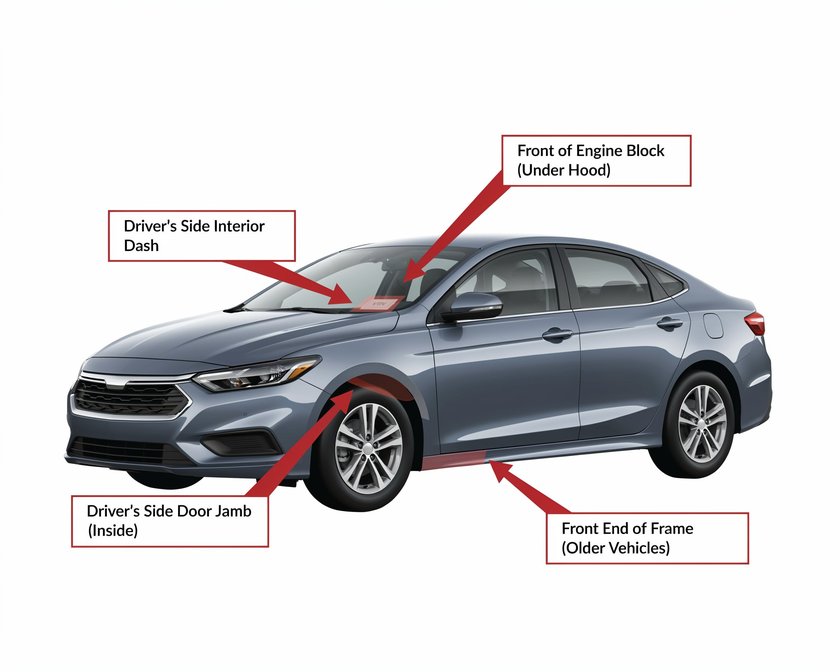
The VIN is a crucial piece of information. Knowing where to find the VIN is essential for any VIN lookup. Here are the most common locations:
1. Dashboard
The VIN is typically located on the driver's side dashboard. You can easily see it through the windshield.
2. Driver's Side Door Jamb
Another common location is on a sticker on the driver's side door jamb.
3. Vehicle Documents
The VIN is printed on various vehicle documents, including the registration card, title, and insurance card.
4. Engine Block
On some older vehicles, the VIN may be stamped on the engine block.
5. Insurance Documents
The VIN is also found on your insurance documents.
6. Online Sources
If you have the license plate, you can try a license plate lookup.
Finding the VIN is simple with these tips.
Limitations of a VIN Lookup Owner
While a VIN lookup owner can be a helpful tool, it's essential to know its limitations. Access to information depends on data availability and legal restrictions. Here are some limitations to keep in mind:
Privacy Restrictions
Due to privacy laws, full owner details may not always be available. Services may provide limited information to protect the owner's personal data. You might get the city and state, but not the full address.
Data Accuracy
The accuracy of the information depends on the data sources. Errors in data entry or reporting can lead to inaccuracies. Always verify information from multiple sources when making important decisions.
Data Availability
The completeness of a report depends on the data available in the databases. Some vehicles might have limited information available, especially older models or those involved in incidents that were not reported. Check our classic lookup feature if needed.
Cost
While free options are available, they usually provide minimal information. Comprehensive reports require payment. Assess your needs and choose accordingly.
Alternatives to VIN Lookup Owner
If a VIN lookup owner doesn't give you the information you need, other options exist. These methods can provide additional insights. These methods may give you an alternative option to track information.
1. Vehicle History Reports
Even if you don't get owner details, a vehicle history report can provide a wealth of information. These reports include accident history, title records, and odometer readings. This helps assess a vehicle's condition.
2. Local Law Enforcement
If you're involved in a legal issue, contacting local law enforcement can be helpful. They may have access to owner information. This is particularly useful if you suspect illegal activity.
3. Insurance Companies
If you're in an accident, your insurance company can help you find the other driver's owner information. This is essential for claims and communication.
4. Online Forums and Communities
Online forums can be useful for certain situations. These may provide useful information. However, always be cautious about the reliability of information from these sources.
Benefits of Using a VIN Lookup Service
Using a VIN lookup owner service offers several benefits. These make the process easier and more efficient. Here are some of the key advantages:
1. Convenience
Online VIN lookup services offer easy access to vehicle information. You can perform a lookup from anywhere with an internet connection. This saves time compared to visiting local agencies.
2. Comprehensive Data
These services give you complete reports. They give you information like accident history, title records, and owner information. This helps you make informed decisions.
3. Speed
VIN lookup services quickly provide reports. You get the information you need in seconds. This is faster than traditional methods.
4. Cost-Effectiveness
While paid services require a fee, they save money. They help avoid costly mistakes when buying a used vehicle. You can make informed decisions, saving time and money.
5. Peace of Mind
Knowing a vehicle's history gives peace of mind. You can verify ownership and check for potential problems. This helps avoid problems and protect your investment.
Examples of Situations Where VIN Lookup is Useful
VIN lookup owner services are helpful in a variety of situations. These provide crucial information that can prevent problems. Here are some examples:
Buying a Used Car
- Verify Ownership: Confirm that the seller is the legal owner.
- Check for Accidents: Assess if the vehicle has been in any accidents.
- Review Title History: Ensure that the title is clear and free of liens.
Accident Involvement
- Identify the Owner: Locate the owner of the other vehicle.
- Contact Information: Obtain the owner's contact details for communication.
- Insurance Claims: Facilitate the insurance claim process.
Legal Disputes
- Resolve Disputes: Identify the owner for legal correspondence.
- Serve Legal Documents: Locate the owner to serve legal notices.
Recovering Stolen Vehicles
- Identify Ownership: Confirm the ownership of a recovered vehicle.
- Trace Ownership: Help law enforcement trace the vehicle's history.
How to Use ChassisVIN for VIN Lookup
ChassisVIN.com offers a straightforward process for performing a VIN lookup owner and accessing vehicle history reports. Follow these steps to get started:
1. Locate the VIN
Find the 17-character VIN on the dashboard, driver's side door jamb, or vehicle documents.
2. Visit ChassisVIN.com
Go to the ChassisVIN.com website and navigate to the VIN lookup section.
3. Enter the VIN
Type the VIN into the search box and click the search button.
4. Review the Report
Review the vehicle history report, which includes owner information, accident history, and more.
5. Consider Additional Services
ChassisVIN offers additional services like a window sticker or build sheet.
With ChassisVIN, you can quickly get valuable vehicle information. Get a full vehicle history report today!
- VIN Lookup Owner: Unveiling Vehicle Ownership Details
- Understanding VIN Lookup Owner
- How to Find Vehicle Owner Information
- Legal and Ethical Considerations for VIN Lookup
- VIN Lookup Report: What to Expect
- Free vs. Paid VIN Lookup: What's the Difference?
- Where to Find the VIN
- Limitations of a VIN Lookup Owner
- Alternatives to VIN Lookup Owner
- Benefits of Using a VIN Lookup Service
- Examples of Situations Where VIN Lookup is Useful
- How to Use ChassisVIN for VIN Lookup
Run a Free VIN Check
Pull the real history behind any car — recalls, title brands, odometer trail.
Related Articles

Car Battery Lifespan: How Long Do Car Batteries Last? - ChassisVIN
Understand car battery lifespan. Discover the factors that impact it. Get tips to extend your battery's life and how to get a vehicle history report.

VIN Country Codes: Decoding Your Vehicle's Origin | ChassisVIN
Discover the VIN country codes. Learn how to identify where your car was made. Get a detailed guide to vehicle manufacturing origins and VIN structure.

Best SUVs with Captain Seats: Top 2024 Models | ChassisVin.com
Discover the best SUVs with captain seats in 2024. Get detailed reviews, comparisons, and find the perfect family SUV with extra comfort. Search your VIN now!
Ready to Decode Your VIN?
Get instant results, completely free. No account needed.