
Odometer Exempt Meaning: What You Need to Know
Learn about odometer exempt meaning. Find out why a vehicle might be exempt from odometer reporting and what it means for you. Get the facts!
Odometer Exempt Meaning: Understanding the Basics
Ever seen "odometer exempt" on a car title? It means the car's mileage isn't tracked officially. This can raise questions. It can also impact the car's value. Understanding odometer exempt meaning is key.
At ChassisVIN.com, we help you understand vehicle history. This includes what "odometer exempt" means. We also offer tools. You can decode your VIN. You can also generate a window sticker. Let's explore this topic in detail.
Why Should I Know Odometer Exempt Meaning?
Knowing odometer exempt meaning is very important. It can impact your car's value. It also can affect your decisions when buying or selling a car.
If a car is odometer exempt, the reported mileage is not always accurate. This can be a red flag. It could mean: The odometer was replaced. The car is older. The vehicle may have had mileage tampering.
When buying a used car, always do your homework. Check the title. Get a vehicle history report. This will help you make a smart choice. Decode your VIN to learn more about the car's history.
What Does Odometer Exempt Mean?
Odometer exempt meaning means the vehicle is free from federal odometer disclosure rules. This status often happens for older vehicles. It can also occur in certain cases. This means the odometer reading might not be official. The government doesn't require mileage reporting for these cars.
This exemption makes it harder to verify true mileage. That is why a vehicle history report is useful. It can give you more details about the car. Knowing this helps you get a fair price. It also protects you from fraud.
Federal law sets the rules for odometer disclosure. This law protects consumers. It helps ensure accurate mileage records. However, exceptions exist. These exceptions create the odometer exempt status. Knowing what it means can help you to make wise decisions.
Reasons for Odometer Exemption
There are several reasons a car might be odometer exempt. The most common one is age. The car might be too old. The car may be a certain type of vehicle. Understanding these reasons helps you. It can also help you when assessing a vehicle's value.
Age of the Vehicle
Most states have an age threshold. Cars older than a certain age may be odometer exempt. This age varies by state. Often, the rule is: cars over 10 years old are exempt. Why? The government figures older cars travel fewer miles. It's hard to keep track of mileage on very old cars.
Vehicle Type
Certain vehicle types might be exempt. Examples include trucks. They are exempt based on their weight. Also, motorcycles and trailers can be exempt. It often depends on state laws. These laws are often based on the vehicle's use and design.
Title Issues
Sometimes, a car's title might have issues. The odometer may have been replaced. Or, the odometer reading may be incorrect. These issues can also lead to odometer exemption. It may happen if the state can't verify the mileage.
Odometer Exempt vs. Actual Mileage
Odometer exempt meaning does not mean the car has no mileage. It means the mileage isn't officially recorded. The car may still have high or low mileage. But it may be hard to verify. That is why you should always check the car carefully.
Potential Discrepancies
Cars with odometer exempt status may have mileage changes. This is due to the odometer being changed or broken. The mileage reported can be incorrect. It is not recorded. It is up to you to check the car. It's also good to look for signs of wear and tear.
Importance of Vehicle History Reports
Vehicle history reports are even more important. Especially for odometer exempt vehicles. Reports from services like ChassisVIN can show: accidents, repairs, and ownership changes. All of this helps reveal the car's real condition. It can also estimate mileage.
How to Check Mileage on an Odometer Exempt Vehicle
Verifying mileage on an odometer exempt vehicle is tricky. You need to do more work. You can't rely on the odometer reading alone. Here are some things you can do:
Inspect the Car
Look for signs of wear. Check the seats, pedals, and steering wheel. High mileage cars usually show more wear. Look at the tires. See how worn they are. A thorough inspection can tell you a lot.
Review Vehicle History Reports
Get a vehicle history report. It is important, especially with odometer exempt vehicles. The report might show past mileage readings. It may also show maintenance records. It can give you more insight. You can use our VIN decoder for these reports.
Ask the Seller
Ask the seller. Ask for service records. Ask if the odometer was ever replaced. Honest sellers will give you this info. If the seller hesitates, be careful. Check everything.
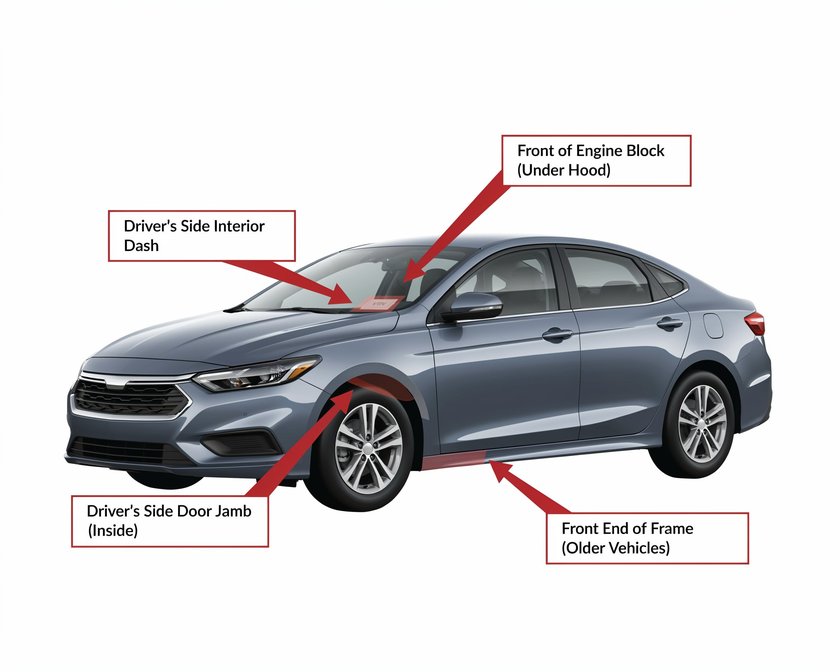
Check Your VIN
Impact on Vehicle Value
Odometer exempt meaning can affect a car's value. Potential buyers might worry. They worry about the car's true condition and history. This concern often lowers the price. It can also affect how you price your car if you are selling it.
Factors Influencing Value
Several things affect a car's value. The car's condition matters. So does its make and model. The location where you sell it affects the price. Mileage affects the price. Odometer exempt status raises concerns. It does this for buyers. This is why you need a vehicle history report. It is also smart to do a pre-purchase inspection.
Negotiating the Price
When buying an odometer exempt car, negotiate the price. Factor in the risk of unknown mileage. Always have a mechanic check the car. Use any information from the vehicle history report. Use that information to support a lower offer. It is important to be informed.
State Laws and Odometer Exemption
State laws on odometer exemption vary. These laws determine when a vehicle is exempt. They also dictate reporting requirements. Knowing these laws can help you.
Key State Variations
States set their own age limits. They also define what vehicle types are exempt. Always check your state's rules. The rules can change over time. Information can be found at your local DMV.
Compliance with Federal Regulations
All states must follow federal odometer laws. These laws are the foundation. They ensure fair practices. But states can add their own rules. Be sure to follow both state and federal requirements.
Detecting Odometer Tampering
Odometer tampering is illegal. This is when someone changes the mileage. They do this to increase the car's value. You need to know how to spot this.
Common Warning Signs
Look for loose or tampered with odometer. Check the dashboard. Check the wear on the pedals. Also, check the steering wheel. Does it match the mileage? Discrepancies can be a sign.
Reporting Suspicious Activity
If you suspect tampering, report it. Report it to your local authorities. You should also inform the DMV. They can investigate and take action. Protecting yourself from fraud is vital.
Steps to Take When Buying an Odometer Exempt Vehicle
Buying an odometer exempt vehicle means extra care. Follow these steps to protect yourself.
Get a Vehicle History Report
Get a vehicle history report. This is a must. Reports from ChassisVIN show key details. They show accident history. They also show ownership changes. They also show any reported mileage. This data can help you assess the car's condition.
Conduct a Pre-Purchase Inspection
Hire a mechanic to inspect the car. A professional can find hidden problems. They can also assess the car's mechanical condition. They can also check for signs of tampering.
Review Documentation
Review all available documents. Look at service records. Check the title carefully. Make sure the VIN matches. Also, check the car's paperwork. Make sure it's all in order.
Odometer Exempt vs. Mileage Not Actual
Sometimes, you may see "mileage not actual" on a title. This means the odometer reading is not correct. It could be from tampering. It could also be because of odometer repair. Here's the difference between odometer exempt and mileage not actual.
Mileage Not Actual
This tag means the odometer reading is not accurate. It may not reflect the car's true mileage. This label is a warning. You should always investigate this further. This means the mileage shown is not trusted.
Odometer Exempt
Odometer exempt meaning means the mileage is not tracked by the government. It is often due to the car's age. Or it's a specific vehicle type. In this case, the mileage is not reported. It is exempt from disclosure requirements.
Key Differences
The key difference is the reason for the status."Mileage not actual" suggests a problem. It says the odometer reading is wrong. Odometer exempt is about exemption from reporting rules. Both highlight the need for careful checks.
Resources for Further Information
Want to learn more about odometer exempt status and vehicle history? Here are some helpful resources:
- ChassisVIN.com: Check vehicle history reports using our VIN decoder, access window stickers, and get build sheets.
- National Highway Traffic Safety Administration (NHTSA): Learn about federal odometer laws.
- Your State's Department of Motor Vehicles (DMV): Find your state's odometer laws.
- Consumer Protection Agencies: Get help with fraud or deceptive practices.
Use these resources to get informed. You can also protect yourself when buying or selling a car. Being informed can save you money. Being informed protects you from problems.
- Odometer Exempt Meaning: Understanding the Basics
- Why Should I Know Odometer Exempt Meaning?
- What Does Odometer Exempt Mean?
- Reasons for Odometer Exemption
- Odometer Exempt vs. Actual Mileage
- How to Check Mileage on an Odometer Exempt Vehicle
- Impact on Vehicle Value
- State Laws and Odometer Exemption
- Detecting Odometer Tampering
- Steps to Take When Buying an Odometer Exempt Vehicle
- Odometer Exempt vs. Mileage Not Actual
- Resources for Further Information
Run a Free VIN Check
Pull the real history behind any car — recalls, title brands, odometer trail.
Related Articles

Car Battery Lifespan: How Long Do Car Batteries Last? - ChassisVIN
Understand car battery lifespan. Discover the factors that impact it. Get tips to extend your battery's life and how to get a vehicle history report.

VIN Country Codes: Decoding Your Vehicle's Origin | ChassisVIN
Discover the VIN country codes. Learn how to identify where your car was made. Get a detailed guide to vehicle manufacturing origins and VIN structure.

Best SUVs with Captain Seats: Top 2024 Models | ChassisVin.com
Discover the best SUVs with captain seats in 2024. Get detailed reviews, comparisons, and find the perfect family SUV with extra comfort. Search your VIN now!
Ready to Decode Your VIN?
Get instant results, completely free. No account needed.