
How to Negotiate Used Car Price
Learn how to negotiate the price of a used car effectively. Tips for dealerships, individual sellers, and paying cash included!
How to Negotiate Used Car Price
Buying a used car can be both exciting and nerve-wracking, especially when it comes to negotiating the price. Knowing how to negotiate a used car price effectively can save you thousands of dollars. In this guide, we’ll explore practical strategies for securing the best deal, whether you're at a dealership or buying from an individual seller.
How Much Can You Negotiate on a Used Car?
Many buyers wonder just how much wiggle room there is when negotiating a used car price. Typically, used car dealerships have a margin of about 10-20% built into their asking prices. This means you might be able to negotiate the price down by a few thousand dollars depending on the car's value, condition, and demand. Here’s how to get started:
- Do your research: Use tools like Kelley Blue Book or Edmunds to find the fair market value of the car.
- Assess the car’s condition: Look for signs of wear and tear that can justify a lower offer.
- Consider the dealership’s inventory: Cars that have been on the lot for a while are more likely to have flexible pricing.
Know the Market Value
Understanding the market value of the car you're interested in is essential. Websites like Kelley Blue Book and Edmunds provide free tools to estimate a car’s value based on its year, make, model, mileage, and condition.
Tip: Bring printouts or screenshots of the car’s estimated value to strengthen your negotiating position.
Compare Prices
Don’t settle for the first car you find. Compare prices for similar vehicles from multiple dealerships or sellers. This not only gives you a benchmark for fair pricing but also provides leverage when negotiating. If one seller won’t budge, you can point out better deals elsewhere.
Negotiate the Added Costs
Dealerships often add fees such as document charges, warranties, and dealer-installed options. While some of these fees are non-negotiable, others can be reduced or waived. Politely ask for a breakdown of the costs and identify areas for potential savings.
How Much Can You Talk a Dealer Down on a Used Car?
Negotiating with a dealership can be intimidating, but remember, they expect you to haggle. Start by making an offer 10-15% below the asking price and work your way up from there. Be prepared to justify your offer with research and stay firm but polite.
Pro tip: Mention if you’re paying cash. Many dealerships offer discounts for cash buyers as it eliminates financing fees.
Negotiating a Used Car Price with an Individual Seller
When dealing with an individual seller, you often have more room to negotiate since they’re typically looking to sell quickly. Start by asking how they arrived at the asking price. Then use any issues you identify, like cosmetic damage or upcoming maintenance needs, to justify your counteroffer.
Related Articles
Check out these related resources for more car-buying tips:
Insurance When Buying a Used Car
Buying a used car often means getting new insurance coverage. Make sure to compare quotes and consider the vehicle’s age, as older cars are generally cheaper to insure.
Are Older Cars Cheaper to Insure?
Yes, older cars tend to have lower insurance premiums due to their reduced value. However, keep in mind that some classic cars might have higher premiums due to their rarity and potential repair costs.
Timing Matters: When to Buy a Used Car
The timing of your purchase can significantly impact your ability to negotiate a better price on a used car. Here are the best times to consider:
- End of the Month: Dealers are often trying to meet sales quotas, making them more flexible on pricing.
- End of the Year: Year-end sales events can offer substantial discounts as dealers clear out older inventory.
- Midweek Shopping: Visiting dealerships during weekdays, especially in the morning, can result in more attention and better deals since they are less busy.
By timing your purchase strategically, you can increase your leverage during negotiations.
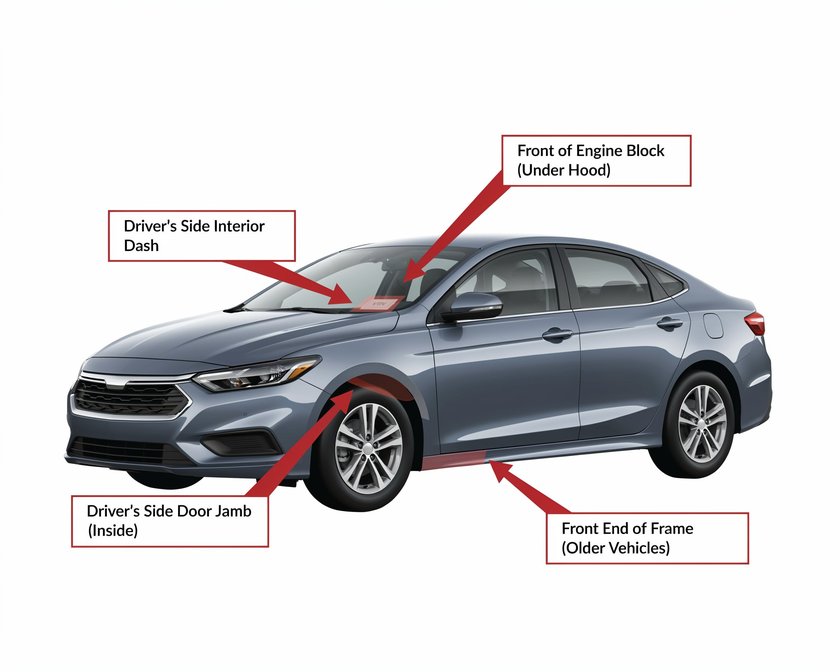
Check Your VIN
Pre-Purchase Checklist for Buyers
Before negotiating, it’s important to inspect the vehicle and review essential details. Use this checklist to ensure you’re fully prepared:
- Vehicle History Report: Obtain a report using the car’s VIN from sites like VIN Decoder to check for accidents, title status, and maintenance history.
- Test Drive: Assess the car’s performance, handling, and comfort during a thorough test drive.
- Independent Inspection: Consider hiring a mechanic to check for hidden issues that may not be visible to the untrained eye.
- Check for Recalls: Visit NHTSA Recalls to ensure the vehicle isn’t subject to unresolved safety recalls.
This preparation will help you negotiate with confidence and avoid potential pitfalls.
Should You Buy Certified Pre-Owned (CPO)?
Certified Pre-Owned (CPO) cars are a popular choice for buyers looking for peace of mind. These vehicles typically come with warranties and undergo rigorous inspections. But are they worth the extra cost?
Benefits of CPO Cars:
- Warranty coverage that extends beyond the original factory warranty.
- Comprehensive inspections ensure the car meets strict quality standards.
- Access to additional perks like roadside assistance or free maintenance for a certain period.
Drawbacks:
- Higher prices compared to non-CPO vehicles.
- Limited selection of makes and models.
If you value reliability and are willing to pay a premium, CPO cars can be a smart option. However, you can still negotiate the price to make the deal more favorable.
Negotiating Tips for Cash Buyers
Paying cash for a used car offers distinct advantages during negotiations. Dealers appreciate cash transactions as they avoid the fees and delays associated with financing. Here’s how to leverage this advantage:
- Start with a Low Offer: Begin your negotiations with a reasonable but low offer, emphasizing your ability to pay upfront.
- Use Competitive Quotes: Show quotes from other sellers or dealerships to encourage price matching or discounts.
- Highlight the Speed of the Transaction: Remind the seller that a cash deal is fast and hassle-free, which can be appealing.
By emphasizing the benefits of a cash purchase, you can often secure a better deal.
Common Negotiation Mistakes to Avoid
Even experienced buyers can fall into common pitfalls when negotiating the price of a used car. Avoid these mistakes to improve your chances of success:
- Skipping Research: Failing to know the market value puts you at a disadvantage.
- Revealing Your Maximum Budget: Keep your top limit private to avoid being pressured into a higher price.
- Not Being Ready to Walk Away: Sellers are more likely to negotiate if they sense you’re willing to leave.
- Ignoring Additional Costs: Always account for taxes, registration fees, and other potential expenses in your budget.
Approaching negotiations with a clear plan and avoiding these errors can make a significant difference in your final deal.
The Role of Online Marketplaces in Negotiation
Online platforms like Craigslist, Facebook Marketplace, and Autotrader have revolutionized how buyers and sellers connect. Here’s how these platforms can help with negotiations:
- Price Transparency: Listings often display comparable prices, helping you identify reasonable offers.
- Wide Selection: Access to a broader range of vehicles gives you more leverage.
- Direct Communication: Many platforms allow you to contact the seller directly to ask questions or make offers.
When using online marketplaces, be cautious of scams and always meet sellers in safe, public locations for test drives or inspections.
- How to Negotiate Used Car Price
- How Much Can You Negotiate on a Used Car?
- How Much Can You Talk a Dealer Down on a Used Car?
- Negotiating a Used Car Price with an Individual Seller
- Timing Matters: When to Buy a Used Car
- Pre-Purchase Checklist for Buyers
- Should You Buy Certified Pre-Owned (CPO)?
- Negotiating Tips for Cash Buyers
- Common Negotiation Mistakes to Avoid
- The Role of Online Marketplaces in Negotiation
Run a Free VIN Check
Pull the real history behind any car — recalls, title brands, odometer trail.
Related Articles

Car Battery Lifespan: How Long Do Car Batteries Last? - ChassisVIN
Understand car battery lifespan. Discover the factors that impact it. Get tips to extend your battery's life and how to get a vehicle history report.

VIN Country Codes: Decoding Your Vehicle's Origin | ChassisVIN
Discover the VIN country codes. Learn how to identify where your car was made. Get a detailed guide to vehicle manufacturing origins and VIN structure.

Best SUVs with Captain Seats: Top 2024 Models | ChassisVin.com
Discover the best SUVs with captain seats in 2024. Get detailed reviews, comparisons, and find the perfect family SUV with extra comfort. Search your VIN now!
Ready to Decode Your VIN?
Get instant results, completely free. No account needed.