
How To Get A Salvage Title Cleared in the United States?
Learn the complete process of removing a salvage title from a vehicle, including key steps, requirements, and how to rebuild a vehicle’s title for resale.
How to Get a Salvage Title Removed on a Vehicle
When a vehicle sustains significant damage, it may receive a salvage title. While this indicates that the car has been deemed a total loss by an insurance company, it doesn't mean the vehicle is beyond repair. In fact, with the right steps, it is possible to get a salvage title removed and restore the vehicle's title to a clean status. This process involves rebuilding the car and passing a salvage inspection to prove it is roadworthy again. Here's everything you need to know about how to remove a salvage title from your vehicle.
Key Takeaways
- The process of removing a salvage title involves repairing the vehicle, passing a state inspection, and filing the necessary paperwork.
- You will need to provide documents such as a bill of sale and receipts for repairs to prove the vehicle has been restored.
- A salvage title can significantly impact a vehicle's resale value, but following the proper steps can help you restore its marketability.
What Can You Do With a Salvage Vehicle?
When you acquire a vehicle with a salvage title, your first step is understanding what your options are. You can either choose to rebuild the vehicle, use it for parts, or sell it as-is. Many people opt to rebuild a salvage vehicle to restore it to drivable condition, especially if they see the potential for a good resale value after removing the salvage title.
Before diving into the rebuild process, it's important to know that a salvage vehicle typically carries a significant reduction in value compared to a clean title car. However, with the right repairs and inspection, you can restore its value and make it roadworthy once again.
Title Name Games
When it comes to salvaged vehicles, the title plays a crucial role in its resale and legal status. Some states may refer to a rebuilt title as ‘restored’ or ‘rebuilt,’ which is distinct from the salvage title. These names can vary, but the essential point is that the vehicle has undergone repairs and passed a thorough inspection. Understanding these terms is key to navigating the paperwork when trying to remove a salvage title.
The Steps to Rebuilding a Title
Removing a salvage title requires a series of steps to demonstrate that the vehicle has been properly repaired and is safe for the road. Here’s a detailed breakdown of the steps involved:
Purchase the Vehicle
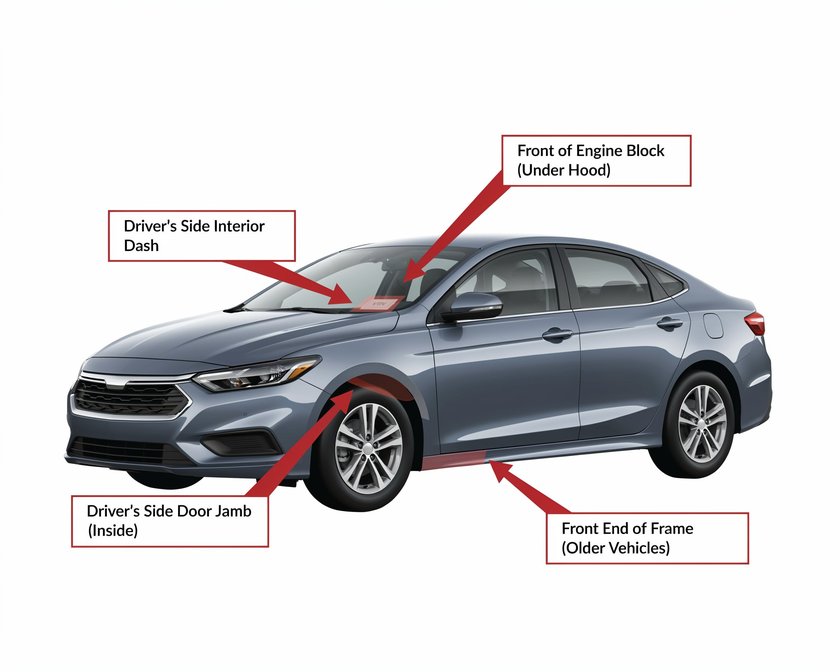
The first step in rebuilding a salvage title vehicle is purchasing the car. You'll want to verify that the vehicle's VIN matches the title and that you have all the necessary documents for ownership transfer. Buying a salvage vehicle from an auction or insurance company is common, but always be sure to assess the extent of the damage and the cost of repairs before committing to a purchase.
Repair the Vehicle
Once you’ve purchased the vehicle, the next step is repairing the damage. Depending on the extent of the damage, this can be a costly and time-consuming process. It's important to keep detailed records of all repairs made, including parts, labor, and costs. These records will be crucial when you apply for a rebuilt title later on.
Get the Inspection
After the repairs are completed, the next step is getting the vehicle inspected by an authorized inspector. This inspection is designed to ensure the vehicle is safe to drive and that it meets all necessary safety standards. The inspector will check the vehicle’s structural integrity, its major systems (engine, brakes, suspension), and safety features (lights, airbags, etc.). If the vehicle passes, it will be deemed roadworthy.
File the Final Paperwork
Once the vehicle passes the salvage inspection, the final step is filing the paperwork with the DMV or relevant state authority to have the salvage title removed and replaced with a rebuilt or restored title. This process will vary by state, but you’ll typically need to submit forms, provide proof of repairs (like invoices and receipts), and pay any applicable fees.
How Much Does a Rebuilt Title Affect a Car's Value?
A rebuilt title will almost certainly affect the resale value of a car. Vehicles with rebuilt titles are typically valued lower than similar cars with clean titles because potential buyers perceive them as having a higher risk of future issues. However, the extent to which a rebuilt title affects a car’s value depends on factors like the quality of the repairs, the make and model of the car, and the market demand.
Cars with a clean history and rebuilt titles that are restored to like-new condition may still fetch a reasonable price, but expect to receive less than if the vehicle had no salvage history at all.
Why Do I Need a Bill of Sale for a Salvage Inspection?
A bill of sale is an essential document for the salvage inspection process because it proves that you legally own the vehicle. It serves as the official record of the vehicle's transaction and ensures that the vehicle has not been stolen or involved in any fraudulent activities. Some states may require the bill of sale as part of the inspection paperwork to confirm that the car has been legally acquired.
What Happens During a Salvage Inspection?
During a salvage inspection, an authorized mechanic or inspector will evaluate the vehicle's structural integrity, safety systems, and overall condition. They’ll assess repairs to ensure the vehicle is safe to operate and meets the required safety standards. The inspection process can vary from state to state, but generally includes checks for frame damage, repairs to critical components, and vehicle identification verification to confirm it hasn’t been stolen or tampered with.
What Documentation is Needed to Remove a Salvage Title?
One of the crucial aspects of removing a salvage title is gathering the appropriate documentation. Depending on the state you're in, the required documents may vary slightly, but typically, the following paperwork will be necessary:
- Proof of ownership: This includes a bill of sale or transfer of title that proves the vehicle legally belongs to you.
- Repair records: Detailed receipts and invoices for all repairs made to the vehicle. This should include both parts and labor costs.
- Inspection certificate: After the vehicle passes the salvage inspection, you'll need the certificate from the inspection authority stating that the vehicle is roadworthy.
- Photos: Some states may require photographs of the vehicle both before and after repairs, demonstrating the extent of the damage and the quality of repairs.
- Application forms: Specific forms required by your state's DMV or licensing authority to request the title change.
Be sure to check with your state's DMV or vehicle title authority for a comprehensive list of required documents. Having everything in order will help streamline the process and avoid delays.
Check Your VIN
How Long Does the Process of Removing a Salvage Title Take?
The length of time it takes to remove a salvage title can vary depending on several factors, such as the state you're in, the extent of the repairs, and the scheduling of inspections. On average, the process can take anywhere from a few weeks to several months. Here's a breakdown of what influences the timeline:
- Repair time: The more extensive the repairs, the longer it will take. If you're doing the work yourself, it could take longer compared to having a professional do it.
- Inspection scheduling: Depending on your location, scheduling an inspection can take anywhere from a few days to a few weeks.
- State processing time: Once the paperwork is submitted, your local DMV or state authority will need time to process the documents. This could take a few weeks, especially if they’re dealing with a backlog.
Overall, the process typically takes 4 to 8 weeks from the time the vehicle passes inspection to when you receive the new title, but it’s best to plan for potential delays.
What Happens If a Salvage Vehicle Fails the Inspection?
If a vehicle fails the salvage inspection, it cannot receive a rebuilt title, and the salvage title will remain in place. However, failing the inspection is not the end of the road. Here’s what you can do:
- Identify the issues: The inspection will typically highlight the specific reasons the vehicle failed. Common issues include frame damage, non-functioning safety features, or missing components.
- Make the necessary repairs: Once you understand why the vehicle failed, you’ll need to address those issues. It may require additional parts, labor, or even professional repairs.
- Request a re-inspection: After making the necessary repairs, you can request a re-inspection. This process is generally quicker than the first inspection.
In some cases, the inspector may give you advice on the repairs needed, but ultimately it’s your responsibility to ensure that the vehicle meets all safety standards to pass the inspection.
Can a Salvage Title Ever Be Reversed Without a Rebuild?
In most cases, a salvage title can only be removed by rebuilding the vehicle and passing a salvage inspection. However, there are rare circumstances where it might be possible to reverse a salvage title without rebuilding the car. These situations include:
- Clerical errors: If the vehicle was incorrectly assigned a salvage title due to a clerical error or misunderstanding, it may be possible to challenge the title and have it corrected without requiring repairs.
- Flood vehicles: In some states, vehicles that have been damaged by floods may be eligible for title correction if they were improperly branded as salvage when they were not actually totaled.
- State-specific exemptions: Some states have specific exceptions that allow for salvage title removals under certain circumstances. This might include vehicles that have never been in an accident or that have been in only minor incidents.
If you believe your vehicle’s salvage title is a result of an error or special circumstance, it’s best to contact your state’s title office to inquire about your options.
Can I Drive a Salvage Title Vehicle While Rebuilding It?
While you’re rebuilding a salvage vehicle, you generally cannot drive it on public roads until it passes the salvage inspection and has the salvage title removed. However, there are a few exceptions and things to consider:
- Temporary permits: Some states offer temporary permits for salvage vehicles that allow you to drive the vehicle for a limited time while completing repairs or waiting for an inspection.
- Off-road use: If the vehicle is not roadworthy, you can still use it off-road, provided you comply with local laws about vehicle use.
- Insurance restrictions: Many insurance companies will not provide coverage for salvage vehicles until they have passed the inspection and received a rebuilt title.
Before attempting to drive your salvage vehicle, check with your state’s DMV for rules regarding temporary permits and any restrictions on driving a vehicle with a salvage title.
Cost of Repairing a Salvage Vehicle vs. Buying a New One
When considering the option to rebuild a salvage vehicle, one of the first questions to ask is whether the cost of repairs will be worth it compared to buying a new or used car. Here's how to assess the cost-effectiveness of repairing a salvage vehicle:
- Cost of repairs: The extent of the damage will significantly affect repair costs. A minor collision may only require replacing a few parts, while a serious accident may need extensive frame work and engine repairs. Be sure to get a detailed estimate before committing.
- Vehicle value post-repair: After repairing the vehicle, you'll want to know how much you can sell it for. Vehicles with rebuilt titles are generally valued lower than clean title cars, but the specific make, model, and repair quality will impact the resale value.
- New vs. salvage: While repairing a salvage vehicle can save you money compared to buying a new car, it can be a risky investment. A new car will come with a warranty and reliability, while a salvage vehicle may have hidden issues that could arise after repairs.
Ultimately, the decision to repair a salvage vehicle depends on the specific circumstances of the car, the extent of damage, and the potential for future resale. It's important to weigh the pros and cons of each option before moving forward.
What Are the Risks of Buying a Salvage Title Vehicle?
While buying a salvage title vehicle can be an opportunity to get a vehicle at a lower price, there are inherent risks involved. Here are the key risks you should consider:
- Unreliable repairs: Depending on who repairs the vehicle, there is a risk that the repairs may not be up to safety standards, leaving you with a potentially dangerous car.
- Hidden damage: Salvage vehicles may have sustained damage that isn’t immediately apparent, such as frame damage or internal mechanical issues that may only become noticeable later.
- Resale difficulties: A vehicle with a salvage title is harder to sell, and you may receive less than expected if you ever decide to part with it.
- Insurance complications: Many insurance companies will not fully insure a salvage title vehicle, or they may charge higher premiums for coverage, especially if the car hasn’t been inspected and rebuilt.
Before buying a salvage title vehicle, be sure to thoroughly inspect the car, get a professional evaluation, and check the vehicle's history to understand the extent of its damage and the quality of any repairs done.
- How to Get a Salvage Title Removed on a Vehicle
- What Can You Do With a Salvage Vehicle?
- Title Name Games
- The Steps to Rebuilding a Title
- How Much Does a Rebuilt Title Affect a Car's Value?
- Why Do I Need a Bill of Sale for a Salvage Inspection?
- What Happens During a Salvage Inspection?
- What Documentation is Needed to Remove a Salvage Title?
- How Long Does the Process of Removing a Salvage Title Take?
- What Happens If a Salvage Vehicle Fails the Inspection?
- Can a Salvage Title Ever Be Reversed Without a Rebuild?
- Can I Drive a Salvage Title Vehicle While Rebuilding It?
- Cost of Repairing a Salvage Vehicle vs. Buying a New One
- What Are the Risks of Buying a Salvage Title Vehicle?
Run a Free VIN Check
Pull the real history behind any car — recalls, title brands, odometer trail.
Related Articles

Car Battery Lifespan: How Long Do Car Batteries Last? - ChassisVIN
Understand car battery lifespan. Discover the factors that impact it. Get tips to extend your battery's life and how to get a vehicle history report.

VIN Country Codes: Decoding Your Vehicle's Origin | ChassisVIN
Discover the VIN country codes. Learn how to identify where your car was made. Get a detailed guide to vehicle manufacturing origins and VIN structure.

Best SUVs with Captain Seats: Top 2024 Models | ChassisVin.com
Discover the best SUVs with captain seats in 2024. Get detailed reviews, comparisons, and find the perfect family SUV with extra comfort. Search your VIN now!
Ready to Decode Your VIN?
Get instant results, completely free. No account needed.