
How to Check Rotor Size by VIN Number: Easy Guide
Learn how to check rotor size by VIN number to ensure you get the correct brake rotors for your vehicle. Accurate VIN lookup for rotor size.
How to Check Rotor Size by VIN Number: The Ultimate Guide
Brake rotors are key to your car's safety. Knowing the right rotor size is vital. It's essential when you need to replace them. But how do you find this information? The answer is often found in your Vehicle Identification Number (VIN). This guide will show you how to check rotor size by VIN number. We'll cover the steps and tools you need.
Checking your brake rotor size is crucial for safety and performance. Using the wrong size can lead to brake failure and costly repairs. This guide will give you the knowledge you need to make sure your vehicle's brakes work right. Let's get started on finding your rotor size using your VIN.
Why Should I Know How to Check Rotor Size by VIN Number?
Knowing how to check rotor size by VIN number is important. Here's why:
- Safety: Using the correct rotor size ensures your brakes work well. This prevents accidents.
- Performance: The right rotors help your car stop quickly and smoothly.
- Cost Savings: Knowing your VIN helps you buy the correct parts the first time. This avoids returns and extra costs.
- Vehicle Compliance: Using the correct parts maintains your vehicle's factory specifications.
- Convenience: Finding the right rotor size quickly makes repairs easier and faster.
Your VIN is the key to getting the right parts. It gives you vehicle-specific information. It makes the process simple and efficient. When you decode your VIN, you get exact details about your car. This helps you avoid mistakes and keeps your vehicle in good shape.
Understanding Your Vehicle Identification Number (VIN)
Your VIN is like your car's fingerprint. It's a unique 17-character code. It contains a lot of important information. It tells you about your car's make, model, year, and features. It's an essential tool for any vehicle owner. Here's what you need to know:
- What a VIN Is: The VIN is a combination of letters and numbers. It's a unique identifier for your vehicle.
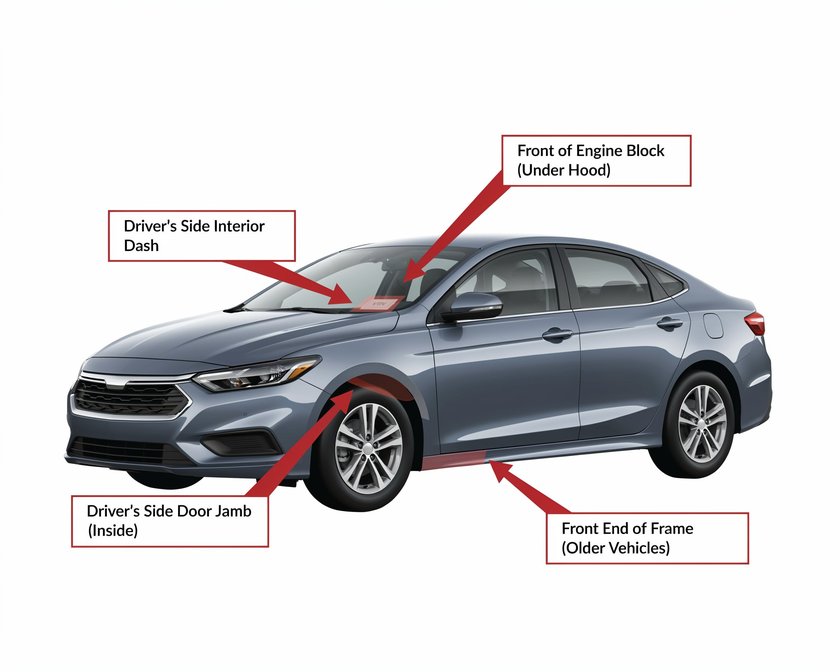
- Where to Find It: You can find the VIN in several places:
- On the dashboard (driver's side, visible through the windshield)
- On the driver's side doorjamb
- In your vehicle's registration documents
- Decoding the VIN: Each section of the VIN gives different information. For example, the first character tells you the country of origin. The next few characters give you the make, model, and other details.
Using your VIN is the most reliable way to get information about your car's parts. It ensures you get the correct rotor size. This prevents any errors or issues.
How the VIN Helps Determine Rotor Size
A VIN can help you find your rotor size indirectly. Here's how:
- Vehicle Specifications: The VIN gives you access to your car's specifications. These specifications include the brake system details.
- RPO Codes: Some vehicles use RPO (Regular Production Option) codes. These codes give you more details. They tell you about your car's features, including the brakes.
- Online Resources: Many online tools and databases can help you. You can enter your VIN to get information about your car's parts. Sites like ChassisVIN can help.
By using your VIN, you can easily find the brake specifications. This helps you determine the rotor size. This will help you keep your brakes in good condition.
Step-by-Step Guide: Checking Rotor Size with Your VIN
Here's a simple guide to checking rotor size by VIN. Follow these steps:
- Find Your VIN: Locate your VIN on your car. It is often on the dashboard.
- Use a VIN Decoder: Go to a website that offers a VIN decoder. Enter your VIN into the search box.
- Review Vehicle Specifications: The decoder will provide your vehicle's specifications. Look for brake system details. Check for RPO codes.
- Identify Rotor Size: The information from the VIN decoder will guide you. It should specify the rotor size.
- Confirm the Information: Check the rotor size against your vehicle's manual. You can also consult a mechanic or auto parts store.
These steps will guide you to get the correct rotor size. They will ensure your vehicle is safe and works properly. Always double-check the information to make sure it's correct.
Using Online VIN Decoders and Tools
Online VIN decoders are helpful tools. They give you detailed information about your car. Here's how to use them effectively:
- Choose a Reliable Decoder: Use well-known and trusted VIN decoder websites. Look for sites with good reviews and a reputation for accuracy.
- Enter Your VIN Correctly: Double-check that you have entered your VIN correctly. Even a small error can change the results.
- Understand the Information: Online decoders give you a lot of data. Learn what each piece of information means, especially regarding brake systems.
- Check for RPO Codes: If the decoder provides RPO codes, note these down. They are critical for identifying specific parts.
- Cross-Reference Information: Compare the information from the decoder with other sources. This helps ensure that the information is correct.
By using these tools, you can find your rotor size quickly and accurately. Always confirm the data to avoid any mistakes.
Check Your VIN
Decoding RPO Codes for Brake System Information
RPO (Regular Production Option) codes provide specific details about your car. They are often used to identify the brake system. Here's how to decode them:
- Find Your RPO Codes: These codes are often found on a sticker in your car. They can be in the glove box or the trunk.
- Use an RPO Code Decoder: Many websites let you decode RPO codes. Enter the code to find out what it means.
- Identify Brake System Codes: Look for codes that relate to your brakes. These codes will give you more details about your rotors.
- Match Codes to Specifications: Once you have the codes, match them to the rotor size. You can find charts or lists online that match codes to specifications.
- Consult a Professional: If you're unsure, ask a mechanic or auto parts store. They can help you understand the RPO codes.
Knowing how to read RPO codes can help you understand your vehicle's components. This will lead to the right brake parts.
Alternative Methods for Finding Rotor Size
If you can't use your VIN or RPO codes, there are other ways to find your rotor size:
- Check Your Vehicle's Manual: Your owner's manual may contain the rotor size specifications. It's often in the maintenance section.
- Measure Your Rotors: If you have access to your rotors, you can measure them. Use a ruler or caliper to measure the diameter. This gives you a good estimate.
- Consult a Mechanic: A mechanic can quickly and accurately determine your rotor size. They have experience and tools for this.
- Visit an Auto Parts Store: Give the auto parts store your car's make, model, and year. They can look up the rotor size for you.
- Use Online Parts Catalogs: Many online parts catalogs let you enter your vehicle information. They will show you the parts that fit your car.
These methods help you find your rotor size. Choose the option that works best for you.
Common Brake Rotor Sizes
Brake rotor sizes vary widely. They depend on your car's make, model, and year. Here are some common rotor sizes:
| Rotor Diameter (inches) | Common Applications |
|---|---|
| 10-11 inches | Small to mid-size cars, sedans |
| 12-13 inches | Larger sedans, SUVs, trucks |
| 13-15 inches | Performance vehicles, heavy-duty trucks |
These sizes are only examples. The exact size for your vehicle will vary. Always use your VIN to confirm the correct size. This helps ensure your brakes work properly and safely.
Tools and Equipment You May Need
When checking rotor size or replacing rotors, you may need these tools:
- VIN Decoder: Use a reliable online VIN decoder.
- Owner's Manual: Have your vehicle's manual handy.
- Ruler or Caliper: For measuring rotors, you may need a ruler or caliper.
- Mechanic's Tools: If you plan to replace the rotors yourself, you will need basic tools. You'll need wrenches, sockets, and a jack.
- Safety Gear: Wear safety glasses and gloves when working on your brakes.
Having the right tools helps make the job easier and safer. If you are not comfortable working on your brakes, it is best to consult a professional mechanic.
Potential Challenges and How to Overcome Them
Finding your rotor size by VIN can have challenges:
- Inaccurate VIN Decoder Results: Some VIN decoders may give incorrect information. Always cross-reference the results with other sources.
- Missing RPO Codes: Some cars do not have RPO codes. In this case, use other methods to determine your rotor size.
- Vehicle Modifications: If your vehicle has been modified, the original rotor size may not be correct. Check with a mechanic.
- Difficulty Finding VIN: If you can't find your VIN, check your registration documents.
- Complexity of Information: Online decoders and manuals can be complex. If you're unsure, ask a mechanic for help.
Be patient and double-check all information. With care, you can avoid these issues and get the right parts for your car.
Professional Assistance: When to Consult a Mechanic
If you're unsure, it is always best to ask a professional for assistance. Consider visiting a mechanic in these situations:
- If you are not comfortable working on your brakes. Brakes are key to your safety.
- If you cannot find your VIN or RPO codes. A mechanic can help you locate the information.
- If your car has been modified. They can determine the right rotor size for your modified vehicle.
- If the VIN decoder results are unclear. A mechanic can interpret the data and confirm the rotor size.
- If you experience brake problems. They can diagnose and fix any issues with your brakes.
A mechanic can offer expert advice and ensure that your brakes are in good working order. This gives you peace of mind that your vehicle is safe to drive.
- How to Check Rotor Size by VIN Number: The Ultimate Guide
- Why Should I Know How to Check Rotor Size by VIN Number?
- Understanding Your Vehicle Identification Number (VIN)
- How the VIN Helps Determine Rotor Size
- Step-by-Step Guide: Checking Rotor Size with Your VIN
- Using Online VIN Decoders and Tools
- Decoding RPO Codes for Brake System Information
- Alternative Methods for Finding Rotor Size
- Common Brake Rotor Sizes
- Tools and Equipment You May Need
- Potential Challenges and How to Overcome Them
- Professional Assistance: When to Consult a Mechanic
Run a Free VIN Check
Pull the real history behind any car — recalls, title brands, odometer trail.
Related Articles

Car Battery Lifespan: How Long Do Car Batteries Last? - ChassisVIN
Understand car battery lifespan. Discover the factors that impact it. Get tips to extend your battery's life and how to get a vehicle history report.

VIN Country Codes: Decoding Your Vehicle's Origin | ChassisVIN
Discover the VIN country codes. Learn how to identify where your car was made. Get a detailed guide to vehicle manufacturing origins and VIN structure.

Best SUVs with Captain Seats: Top 2024 Models | ChassisVin.com
Discover the best SUVs with captain seats in 2024. Get detailed reviews, comparisons, and find the perfect family SUV with extra comfort. Search your VIN now!
Ready to Decode Your VIN?
Get instant results, completely free. No account needed.