
How to Check If Your Car Is Flagged by Police: A Comprehensive Guide
Learn how to check if your car is flagged by police in the US. Understand ALPR, license plate lookup, and what it means if your vehicle is flagged. Get peace of mind with ChassisVIN.
How to Check If Your Car Is Flagged by Police
Are you concerned that your vehicle might be on a police radar? It's a valid worry, and knowing how to check if your car is flagged by police is essential. This guide from ChassisVIN will help you understand the signs, methods, and steps to take. We'll cover everything from license plate lookups to Automatic License Plate Recognition (ALPR) systems.
Being flagged can mean different things. It might be due to a missing registration, involvement in a crime, or even a simple administrative error. We'll help you navigate this. This comprehensive guide explores how to check if your car is flagged by police. We'll explain the reasons why a car might be flagged and what steps you can take to resolve the situation.
In the following sections, we'll delve into how ALPR works, what a "hot list" is, and other related topics. Stay informed and stay safe on the road.
Why Should I Know How to Check If Your Car Is Flagged by Police?
Knowing if your car is flagged can prevent potential legal issues and ensure peace of mind. Here’s why this information is vital:
- Avoid Legal Problems: If your car is flagged, it could lead to traffic stops, fines, or even impoundment.
- Stay Informed: Knowing your car’s status helps you stay aware of any issues with your vehicle’s registration or potential involvement in an investigation.
- Ensure Compliance: Make sure your car meets all legal requirements.
- Protect Yourself: If your car is mistakenly flagged, early detection allows you to clear up any misunderstandings.
- Reduce Stress: Knowing your vehicle's status can reduce anxiety when driving.
By proactively checking your car's status, you protect yourself from unexpected situations and ensure that you are driving legally.
Understanding Automatic License Plate Recognition (ALPR)
Automatic License Plate Recognition (ALPR) systems are used by law enforcement agencies to scan license plates. They use cameras and computer systems to read and record the information. These systems can compare plates against databases in real-time.
How ALPR Works
ALPR systems use high-speed cameras to capture images of license plates. Sophisticated software then converts these images into text data. The system quickly matches this data against databases containing information on:
- Stolen vehicles
- Vehicles involved in crimes
- Vehicles with outstanding warrants
- Vehicles with expired registrations
- Vehicles associated with Amber Alerts
When a match is found, the system alerts the police officer. It allows them to take appropriate action. ALPR is a powerful tool for law enforcement, but it also raises privacy concerns.
What Does it Mean If Your Car Is on a "Hot List"?
A "hot list" is a database maintained by law enforcement that contains license plate numbers of vehicles that are of interest. These vehicles may be flagged for various reasons, including:
- Stolen Vehicles: The most common reason.
- Vehicles Involved in Crimes: This includes vehicles seen at crime scenes or linked to suspects.
- Vehicles with Outstanding Warrants: Used to locate individuals with active warrants.
- Vehicles with Suspended or Revoked Registrations: To enforce compliance with vehicle regulations.
- Vehicles Involved in Amber Alerts: To help locate missing children.
If your vehicle is on a hot list, it’s essential to take action quickly. This may involve contacting the police to resolve any issues. You can also proactively check if your car is flagged. Early action can avoid more serious consequences.
Signs That Your Car Might Be Flagged
While you may not always know if your car is flagged, there are signs to watch out for:
- Increased Police Stops: If you are stopped more often than usual, it might indicate that your car is flagged.
- Unusual Questions from Police: If a police officer asks unusual questions about your vehicle, or if they seem particularly interested in your license plate, it could be a sign.
- Notifications: You might receive a letter or a call about your vehicle.
- Vehicle History Reports: Checking reports like the VIN decoder, may give you clues.
- Suspicious Activity: Notice any unusual activity around your car, such as being watched.
If you notice any of these signs, it's crucial to investigate further and check if your car is flagged by the police.
How to Check if Your Car Is Flagged by Police: Steps to Take
Checking if your car is flagged involves a few steps, and some may be more difficult than others. Here’s a guide:
- Contact Local Law Enforcement: Reach out to your local police department or state police. Ask if your vehicle is on any lists. Keep in mind, they may not always provide this information.
- Check Your Vehicle History Report: Use a service like ChassisVIN to get a Vehicle History Report. This report will not directly tell you if your car is flagged. However, it can reveal potential issues like accident history or title problems.
- Online Resources: Some states offer online portals to check the status of your vehicle registration. This is a great place to start.
- Consult with a Legal Professional: If you have reason to believe your car is flagged, consider talking to a lawyer. They can advise you on the best course of action.
Following these steps will give you the most complete picture of your car’s status.
Check Your VIN
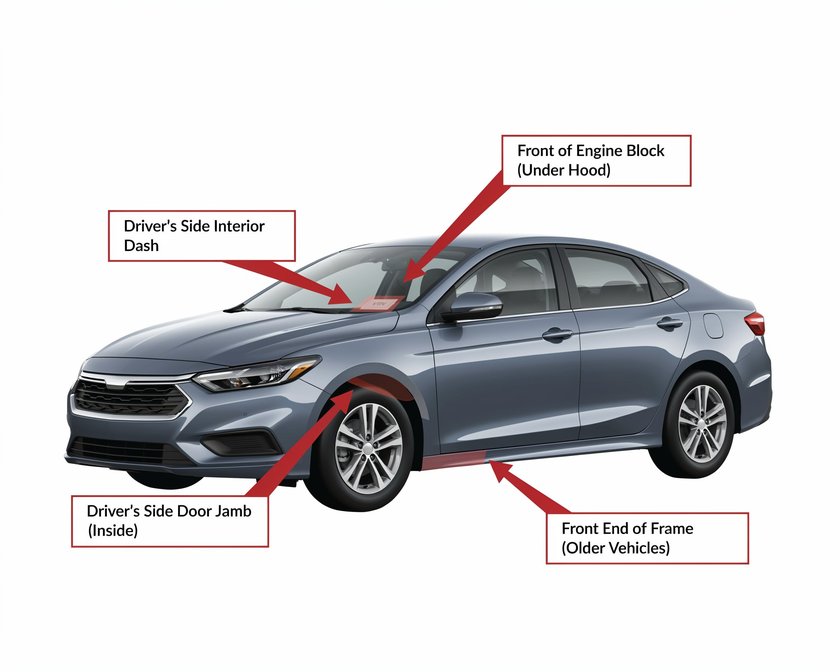
Using Your VIN to Gather Information
Your Vehicle Identification Number (VIN) is a unique 17-character code assigned to your vehicle. You can use your VIN to get vital information about your car.
- VIN Decoder: Use a VIN decoder to get your vehicle’s specifications, manufacturer details, and equipment.
- Vehicle History Reports: Services like ChassisVIN offer reports that include accident history, title issues, and odometer readings.
- Check for Recalls: Use your VIN to check if your vehicle has any outstanding recalls. You can do this on the National Highway Traffic Safety Administration (NHTSA) website.
Although the VIN doesn't directly tell you if your car is flagged, it can reveal related issues. For example, if your vehicle has been reported stolen or has title issues, it might be flagged. Using your VIN is an essential step in understanding your car’s history and status.
License Plate Lookup: A Closer Look
A license plate lookup can provide you with details linked to your vehicle. Services offer basic information, such as the make and model of the car. Advanced services can give you the registered owner's name and address.
How to Perform a License Plate Lookup
Many online services offer license plate lookups. However, it is important to use a reputable source to ensure data accuracy and privacy. Here's a general guide:
- Find a Service: Search online for license plate lookup services. ChassisVIN offers a license plate lookup tool.
- Enter the Plate Number: Input your license plate number into the provided field.
- Review the Results: The service will provide available information.
Keep in mind that the amount of information available varies based on state laws and the service you're using. Also, some information may only be available to law enforcement.
What to Do If You Suspect Your Car Is Flagged
If you suspect your car is flagged, taking prompt action is crucial. Here are the steps to follow:
- Verify the Reason: Contact the police department or the agency that may have flagged your car. Ask them the reason why it is flagged.
- Gather Documentation: Collect all relevant documents. These include your vehicle registration, insurance card, and any other paperwork related to your car.
- Resolve the Issue: If your car is flagged due to a specific issue, such as a missing registration or outstanding ticket, take immediate steps to resolve it.
- Seek Legal Advice: If the situation is complex or if you believe your car was flagged incorrectly, contact a lawyer. They can advise you on your rights and options.
- Keep Records: Maintain records of all communications and actions taken.
By following these steps, you can address the situation effectively and resolve any problems quickly.
Impact of Being Flagged on Your Vehicle
Being flagged can have significant impacts on your vehicle and your driving experience:
- Traffic Stops: Your car may be stopped more frequently by law enforcement.
- Potential for Impoundment: In some cases, if your car is flagged for serious reasons, like being reported stolen, it can be impounded.
- Fines and Penalties: You may face fines or other penalties depending on the reason.
- Insurance Implications: A flagged vehicle may affect your insurance rates.
- Difficulty Selling or Registering: It can be difficult to sell or register a vehicle that is flagged, as the issue must be resolved first.
Being aware of these potential consequences reinforces the need to check your car’s status regularly.
Table: Possible Reasons for a Car Being Flagged
Here’s a table summarizing some of the common reasons why a car might be flagged by the police:
| Reason | Description | Potential Consequences |
|---|---|---|
| Stolen Vehicle | The vehicle has been reported stolen. | Impoundment, arrest of the driver, investigation. |
| Vehicle Involved in a Crime | The vehicle was seen at a crime scene. | Investigation, potential for arrest. |
| Outstanding Warrants | The vehicle owner has outstanding warrants. | Traffic stop, arrest of the driver. |
| Suspended or Revoked Registration | The vehicle's registration is not valid. | Traffic stop, fines, potential impoundment. |
| Expired Registration or Inspection | The vehicle's registration or inspection is overdue. | Traffic stop, fines. |
| Amber Alert | The vehicle may be linked to a missing child. | Investigation, immediate stop. |
| Equipment Violations | The vehicle does not meet safety standards. | Traffic stop, citations, required repairs. |
List of Things to Do If Your Car Is Flagged
Here’s a list of actions to take if you find out your car is flagged:
- Contact Authorities: Reach out to the police department or agency that flagged your car.
- Gather Documents: Collect all vehicle-related paperwork.
- Resolve the Issue: Take steps to fix the underlying issue.
- Keep Records: Document all communication.
- Consider Legal Advice: Consult a lawyer if the situation is complex.
- Follow Up: Ensure the flag is removed once the issue is resolved.
- How to Check If Your Car Is Flagged by Police
- Why Should I Know How to Check If Your Car Is Flagged by Police?
- Understanding Automatic License Plate Recognition (ALPR)
- What Does it Mean If Your Car Is on a "Hot List"?
- Signs That Your Car Might Be Flagged
- How to Check if Your Car Is Flagged by Police: Steps to Take
- Using Your VIN to Gather Information
- License Plate Lookup: A Closer Look
- What to Do If You Suspect Your Car Is Flagged
- Impact of Being Flagged on Your Vehicle
- Table: Possible Reasons for a Car Being Flagged
- List of Things to Do If Your Car Is Flagged
Run a Free VIN Check
Pull the real history behind any car — recalls, title brands, odometer trail.
Related Articles

Car Battery Lifespan: How Long Do Car Batteries Last? - ChassisVIN
Understand car battery lifespan. Discover the factors that impact it. Get tips to extend your battery's life and how to get a vehicle history report.

VIN Country Codes: Decoding Your Vehicle's Origin | ChassisVIN
Discover the VIN country codes. Learn how to identify where your car was made. Get a detailed guide to vehicle manufacturing origins and VIN structure.

Best SUVs with Captain Seats: Top 2024 Models | ChassisVin.com
Discover the best SUVs with captain seats in 2024. Get detailed reviews, comparisons, and find the perfect family SUV with extra comfort. Search your VIN now!
Ready to Decode Your VIN?
Get instant results, completely free. No account needed.