
How Many Miles Should a New Car Have? [Answered]
Discover the acceptable mileage for a new car and learn what factors influence it. Set expectations for brand-new cars and understand why some mileage is normal.
How Many Miles Should a New Car Have?
When buying a brand-new car, one question often comes to mind: how many miles should a new car have? It's natural to expect minimal mileage, but there are acceptable ranges for new vehicles. Understanding this can ensure you make an informed decision while avoiding unnecessary concerns.
In this article, we'll answer this critical question, explore the factors behind new car mileage, and set realistic expectations for your purchase. Whether it's the miles from factory to dealership or test drives, we’ve got you covered.
Mileage for a New Car: What Does It Tell You About a Car?
The mileage on a new car tells a story about its journey from the manufacturing plant to the dealership and possibly test drives. While a completely zero-mile car might sound ideal, some mileage is inevitable due to transportation and inspections. These miles typically range from 10 to 200 miles for most new cars.
Understanding what this mileage signifies can provide peace of mind and clarity when inspecting your potential purchase. It's also an opportunity to ask questions about the car's history before committing to the purchase.
The Myth of Zero Miles: When Is a Car Considered New?
Many buyers expect zero miles on a new car, but that’s a myth. In reality, vehicles accrue mileage during transportation, quality control inspections, and dealership test drives. A car is still considered new if its mileage falls within an acceptable range, generally below 200 miles.
Most manufacturers and dealerships ensure these miles don’t affect the vehicle’s condition or warranty. If a car has higher mileage than expected, it's worth asking about its usage to confirm there are no concerns.
Delivery Mileage: How Many Miles Are Too Many for a New Car?
Delivery mileage includes the distance traveled during shipping, loading, unloading, and occasional test drives. For most new cars, anything below 200 miles is considered normal. However, if the mileage exceeds this range, ask your dealer for an explanation.
High mileage could indicate extended test drives or use as a demo car. While this doesn’t necessarily make the car less valuable, ensure you receive proper documentation and possible discounts for such situations.
Setting Expectations for Brand-New Cars
For most new car buyers, setting expectations is key. While 10 to 50 miles is common, don’t be surprised if it’s slightly higher. Dealerships often allow test drives to showcase the vehicle’s features, adding to the odometer reading.
Mileage Considerations for Test Drives
Test drives are an essential part of the car-buying process. However, some vehicles are used more frequently than others for this purpose. When buying a new car, check if it has been a popular test drive option and whether the dealer offers discounts for the extra mileage.
Ideal Mileage Range for a New Car
Ideally, a new car should have between 10 to 200 miles. This range accounts for all standard processes before the car reaches your hands. Anything outside this range warrants a discussion with the dealer.
Factors Influencing New Car Mileage
Several factors influence the mileage on a new car:
- Transportation: Shipping from the factory to the dealership often adds miles.
- Inspection: Quality control tests ensure the car functions correctly.
- Test Drives: Potential buyers may take the car for short drives.
- Demo Use: Some cars are showcased for demonstrations, accumulating mileage.
Balancing Expectations and Realities of Miles on New Cars
Understanding the realities of mileage can help balance your expectations. While minimal mileage is preferable, slight variations are normal and don’t diminish the car’s value. Always ensure any extra mileage has a valid explanation and doesn’t impact the warranty or pricing.
What is Higher Mileage for a New Car?
Higher mileage on a new car usually refers to vehicles with over 200 miles. This could be due to multiple test drives, demo use, or transportation factors. Always inquire about the reasons behind such mileage to ensure transparency and fair pricing.
Demo Cars
Demo cars are often used by dealerships to showcase features and performance. These cars may have higher mileage but are usually sold at discounted rates. Ensure thorough checks and negotiate appropriately when buying a demo car.
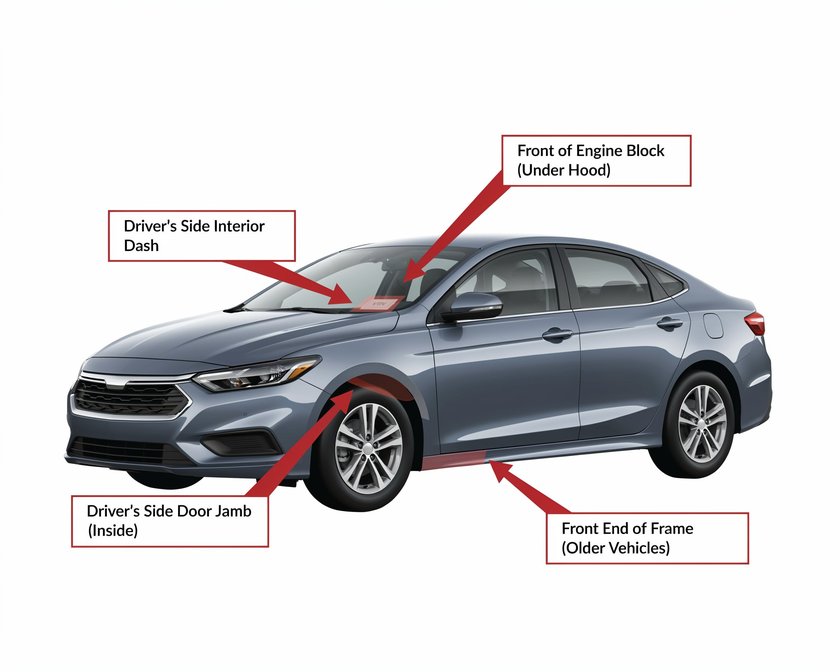
Check Your VIN
Used Cars
While used cars naturally have higher mileage than new cars, it’s essential to evaluate their condition, maintenance history, and overall value. Check the vehicle's history using tools like VIN Decoder or Window Sticker Lookup.
Auto Loans & Financing
When financing a new car, mileage doesn’t typically affect loan terms. However, ensure you negotiate a fair price that aligns with the mileage and any discounts applicable for higher mileage vehicles.
The Impact of Delivery Routes on Mileage
Delivery routes can significantly influence the mileage of a new car. Vehicles transported over long distances or through complex logistics networks may accumulate more miles than those delivered directly from a nearby factory. Regional factors, such as transportation hub locations, also play a role in determining final odometer readings.
When considering a new car, it's essential to ask your dealer about the delivery process. Understanding these logistics can help you gauge whether the mileage is within acceptable limits.
How to Negotiate for High-Mileage New Cars
If a new car has higher mileage than expected, it’s an opportunity to negotiate. Dealers often provide discounts or additional perks for vehicles with extra mileage, such as extended warranties or free service packages. To make the most of this situation, approach the negotiation with the following steps:
- Inquire about the reason for the higher mileage, such as test drives or demo use.
- Request documentation or maintenance records if the car was used extensively.
- Compare the pricing with other similar models to determine a fair discount.
Effective negotiation can turn a high-mileage situation into a cost-saving opportunity.
Understanding the Role of Test Drives and Demos
Test drives and demo use are integral to the car-selling process. While these activities add mileage to the vehicle, they also serve to showcase its features and performance to potential buyers. Cars used more frequently for demonstrations might have odometer readings above 200 miles but are typically well-maintained.
When purchasing such a car, ensure that:
- It hasn’t experienced excessive wear and tear.
- There’s transparency about its usage history.
- The price reflects the additional mileage appropriately.
Table: Common Mileage Scenarios for New Cars
The following table summarizes common mileage scenarios and their implications:
| Mileage Range | Possible Causes | Considerations |
|---|---|---|
| 10-50 miles | Transportation and basic inspections | Normal for most new cars |
| 51-200 miles | Additional inspections or light test drive use | Still considered new; inquire if closer to 200 |
| 201-500 miles | Frequent test drives or demo use | Negotiate for discounts and inspect thoroughly |
| 500+ miles | Extended demo or promotional use | May require deeper inspection; consider it a high-mileage new car |
How Dealership Policies Influence Mileage
Dealership policies can greatly influence the mileage of a new car. For instance, some dealerships prioritize test drives to ensure buyers experience the vehicle before purchasing, which naturally increases odometer readings. Other dealerships may limit test drives to preserve a car’s 'new' status.
When choosing a dealership, consider asking about their test drive and demo policies to align your expectations with their practices.
Mileage and Car Warranty Implications
New car warranties typically begin at the mileage recorded when the vehicle is sold. If the car has higher mileage due to dealership or transportation factors, ensure this is reflected in the warranty coverage. For example, a vehicle with 150 miles on delivery should still offer a warranty starting from that mileage, not zero.
Discuss this with your dealer to ensure the warranty terms meet your expectations.
Conclusion: Making an Informed Decision
Understanding the factors that contribute to new car mileage helps set realistic expectations. While minimal mileage is ideal, slight variations are often unavoidable and typically harmless. Always communicate openly with your dealer, inquire about mileage specifics, and negotiate when necessary to ensure you get the best value for your purchase.
By staying informed, you can confidently navigate the car-buying process and drive away in a vehicle that meets your needs.
- How Many Miles Should a New Car Have?
- Mileage for a New Car: What Does It Tell You About a Car?
- The Myth of Zero Miles: When Is a Car Considered New?
- Delivery Mileage: How Many Miles Are Too Many for a New Car?
- Factors Influencing New Car Mileage
- Balancing Expectations and Realities of Miles on New Cars
- What is Higher Mileage for a New Car?
- Demo Cars
- Used Cars
- Auto Loans & Financing
- The Impact of Delivery Routes on Mileage
- How to Negotiate for High-Mileage New Cars
- Understanding the Role of Test Drives and Demos
- Mileage and Car Warranty Implications
- Conclusion: Making an Informed Decision
Run a Free VIN Check
Pull the real history behind any car — recalls, title brands, odometer trail.
Related Articles

Car Battery Lifespan: How Long Do Car Batteries Last? - ChassisVIN
Understand car battery lifespan. Discover the factors that impact it. Get tips to extend your battery's life and how to get a vehicle history report.

VIN Country Codes: Decoding Your Vehicle's Origin | ChassisVIN
Discover the VIN country codes. Learn how to identify where your car was made. Get a detailed guide to vehicle manufacturing origins and VIN structure.

Best SUVs with Captain Seats: Top 2024 Models | ChassisVin.com
Discover the best SUVs with captain seats in 2024. Get detailed reviews, comparisons, and find the perfect family SUV with extra comfort. Search your VIN now!
Ready to Decode Your VIN?
Get instant results, completely free. No account needed.