
Ethan has spent a decade in automotive data, working with NHTSA datasets and OEM spec sheets. He writes about VIN decoding, recalls, and what to look for in a used car inspection.
View profileLearn about the disadvantages of selling a car with mileage discrepancy, why it matters, and how to address the issue effectively.
Selling a car with a mileage discrepancy can present significant challenges, impacting its resale value, buyer trust, and even legal standing. In this article, we'll explore the key disadvantages, how to address them, and why transparency is crucial in the automotive market.
A mileage discrepancy occurs when the mileage displayed on a car's odometer does not match its actual usage. This inconsistency can arise from odometer tampering, faulty repairs, or errors in recording mileage during service history updates.
Common causes of mileage discrepancies include:
Yes, you can sell a car with a mileage discrepancy, but it comes with significant disadvantages. These include reduced resale value, a limited pool of interested buyers, and potential legal repercussions if the discrepancy is not disclosed. Transparency is key to ensuring a fair transaction.
For buyers, trust is paramount. Addressing this issue before listing your car can help maintain credibility and streamline the sales process.
Here are the key downsides to selling a car with a mileage discrepancy:
If you're dealing with a mileage discrepancy, here are steps to address it:
In many regions, selling a car with a concealed mileage discrepancy is illegal. Sellers may face fines, lawsuits, or even criminal charges if the odometer is found to be tampered with. It’s critical to comply with local regulations and provide accurate information to avoid legal troubles.
Learn more about legal obligations for mileage reporting on authoritative sites like the National Highway Traffic Safety Administration (NHTSA).
The following table summarizes how a mileage discrepancy can affect various aspects of a car sale:
| Factor | Impact | Resolution |
|---|---|---|
| Resale Value | Significantly lower | Disclose and adjust pricing |
| Buyer Trust | Reduced | Provide transparency and documentation |
| Legal Risks | High | Comply with local laws |
| Marketability | Limited | Fix the discrepancy or target niche buyers |
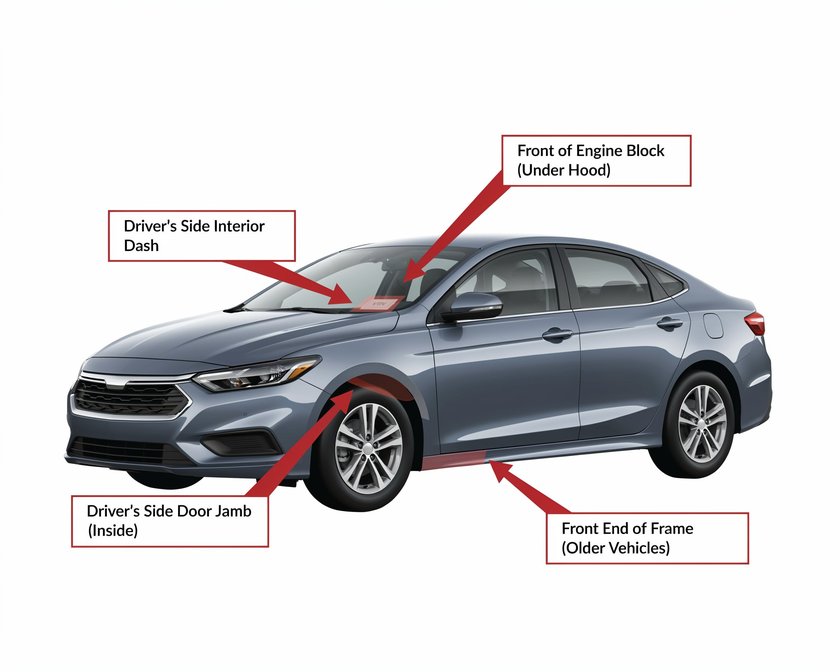
A mileage discrepancy can have a significant impact on your car insurance policy. Insurance companies rely on accurate mileage to assess risk and calculate premiums. If the discrepancy is discovered, it could lead to policy cancellations or denied claims.
Key ways mileage discrepancies affect insurance include:
When purchasing a used car, taking steps to prevent mileage discrepancies is essential to avoid future complications. Buyers should ensure that all mileage information is accurate and supported by documentation.
Here are proactive steps to prevent mileage discrepancies:
In 2020, a used car buyer discovered a significant mileage discrepancy in the vehicle they purchased. The odometer showed 45,000 miles, but a VIN check revealed the car had actually traveled over 90,000 miles. This revelation led to a lawsuit against the seller, who was found to have tampered with the odometer to inflate the car's value.
This case highlights the risks for both buyers and sellers:
Transparency and thorough documentation can prevent such issues and foster trust in car transactions.
The following table compares different methods for addressing mileage discrepancies:
| Solution | Effectiveness | Cost | Implementation |
|---|---|---|---|
| Correcting Records | High | Low | Contact service providers to update mileage |
| Odometer Replacement | Moderate | Medium | Requires professional installation and calibration |
| Legal Disclosure | High | Low | Include details in sales documentation |
| VIN History Checks | High | Low | Run a VIN check to validate mileage |
Ignoring a mileage discrepancy can lead to severe consequences for both car owners and buyers. Here's why addressing the issue is critical:
By taking action early, you can avoid these risks and ensure a smoother transaction process.
Ethan has spent a decade in automotive data, working with NHTSA datasets and OEM spec sheets. He writes about VIN decoding, recalls, and what to look for in a used car inspection.
View profilePull the real history behind any car — recalls, title brands, odometer trail.
Understand car battery lifespan. Discover the factors that impact it. Get tips to extend your battery's life and how to get a vehicle history report.
Discover the VIN country codes. Learn how to identify where your car was made. Get a detailed guide to vehicle manufacturing origins and VIN structure.
Discover the best SUVs with captain seats in 2024. Get detailed reviews, comparisons, and find the perfect family SUV with extra comfort. Search your VIN now!
Get instant results, completely free. No account needed.