
Chassis Number vs. VIN: What's the Difference and Why Does it Matter?
Learn the key differences between a chassis number and a Vehicle Identification Number (VIN), how they are used, and why this information is crucial for vehicle owners and buyers.
Chassis Number vs. VIN: Unveiling the Automotive Identifiers
Do you know the difference between a chassis number vs VIN? If you own a car, truck, or motorcycle, you've likely heard of both. But what exactly are they? And why is it important to understand their differences? This comprehensive guide explores the meaning of each term, their roles in the automotive world, and where to find them. Whether you are buying, selling, or simply maintaining your vehicle, grasping the concepts of chassis number and VIN is essential.
Both the chassis number and VIN are crucial identifiers. They provide vital information about a vehicle. From its manufacturing details to its history, these numbers are key for various purposes. This includes registration, insurance, and even verifying its authenticity. Let's break down the key differences and discover how to use these numbers effectively. You can decode your VIN here to get started.
What is a Chassis Number?
A chassis number, often referred to as a frame number, is a unique identifier. It's typically stamped onto the vehicle's chassis or frame. The chassis is the structural backbone of a vehicle. The chassis number serves as a direct link to the physical structure. This is why it’s essential for identifying the vehicle's original build.
Older vehicles, particularly those manufactured before the widespread use of VINs, primarily relied on chassis numbers. They provide a means to identify the vehicle. Knowing the chassis number can be important. It can help in restoring classic cars. It can help confirm the authenticity of a vintage model.
The chassis number is sometimes linked to the VIN. The chassis number can also be important to understand for certain collector cars where matching numbers (VIN, chassis, and engine) significantly impact value. Classic vehicle lookup could be very helpful.
What is a VIN? Vehicle Identification Number Explained
A Vehicle Identification Number (VIN) is a unique 17-character code. It’s assigned to every vehicle manufactured for road use. This includes cars, trucks, motorcycles, and even trailers. The VIN acts as a digital fingerprint for your vehicle.
Each character in a VIN has a specific meaning. It gives information about the vehicle's manufacturer, model year, engine type, and more. Since 1981, the VIN format has been standardized. This makes it easier to track and understand the vehicle’s specifications.
The VIN is essential for a number of purposes:
- Vehicle Registration: The VIN is used to register a vehicle with the state.
- Insurance: Insurance companies use the VIN to get details about your car. They use this to calculate premiums.
- Vehicle History Reports: Using the VIN, you can obtain detailed vehicle history reports. These reports reveal accidents, ownership changes, and other important details.
- Recalls: Manufacturers use the VIN to notify owners of recalls. This is crucial for safety.
To find out more, you can use our VIN decoder.
Chassis Number vs. VIN: Key Differences
While both numbers identify a vehicle, the scope and usage of the chassis number vs VIN differ significantly. Here’s a comparison table that highlights the main contrasts:
| Feature | Chassis Number | VIN |
|---|---|---|
| Definition | Identifier stamped on the vehicle's frame. | Unique 17-character code assigned to a vehicle. |
| Primary Use | Identify the physical chassis of the vehicle. | Identify the vehicle's complete specifications, history, and ownership. |
| Standardization | Not standardized; formats vary. | Standardized format since 1981. |
| Information Provided | Primarily linked to the frame's details. | Comprehensive information about the vehicle: manufacturer, model, year, etc. |
| Common Usage | Older vehicles; restoration and authentication. | Modern vehicles; registration, insurance, history reports. |
As you can see, the chassis number vs VIN serves different yet complementary purposes. While the chassis number focuses on the vehicle's physical frame, the VIN gives detailed information about the vehicle's complete history and specifications. You can see a sample VIN here.
Where Can I Find My Vehicle's Chassis Number?
Finding a chassis number can be tricky. The location varies depending on the vehicle’s make and model. Here are some common places to look:
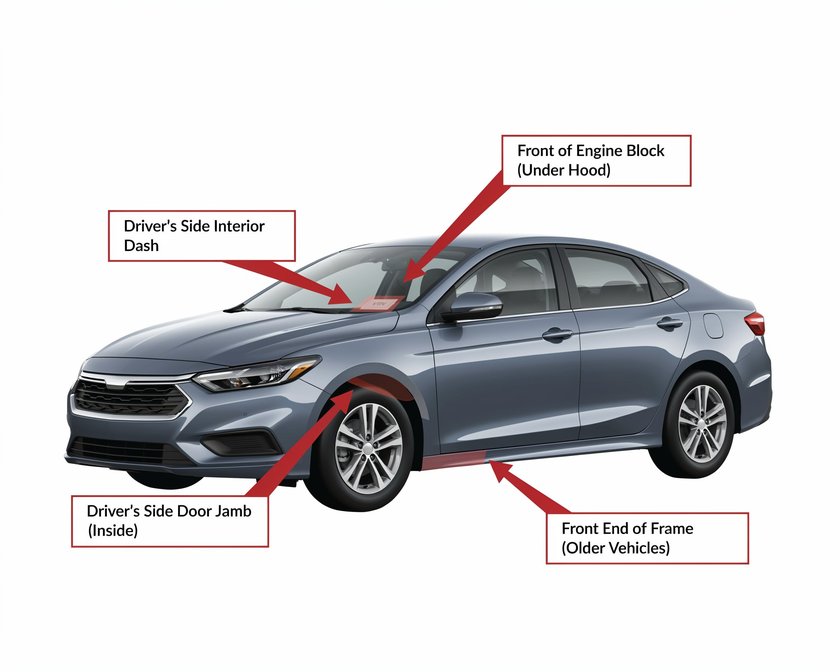
- On the Chassis or Frame: This is the most direct location. The number is typically stamped on the chassis or frame.
- Vehicle Documentation: Check your vehicle's original documentation. It might be listed in the owner's manual or on registration documents.
- Older Vehicle Components: On vintage vehicles, you might find the number on various components. This includes the engine or transmission.
Because of the lack of standardization, you may need to consult a mechanic or vehicle expert to locate the chassis number. This is especially true for older vehicles.
Where to Find Your VIN
Finding the VIN is generally easier than finding a chassis number. Here are the most common locations:
- Dashboard: The VIN is often located on a small plate. It is visible through the driver's side of the windshield.
- Driver's Side Door: The VIN is usually on a sticker. It’s on the doorjamb of the driver's side door.
- Vehicle Registration and Insurance Documents: The VIN is printed on your vehicle's registration and insurance documents.
- Vehicle Title: The VIN is also included on your vehicle’s title.
If you are still having trouble locating the VIN, use our VIN decoder and lookup tool. This can help you find it and decode it.
Check Your VIN
Why Should I Know the Chassis Number vs VIN?
Understanding the differences between the chassis number vs VIN can bring various benefits. Here's why it matters:
- Vehicle History: The VIN allows you to access comprehensive vehicle history reports. These reports include accidents, title issues, and more.
- Authenticity: For classic cars, knowing both the chassis number and VIN helps confirm the vehicle's authenticity. It ensures it matches the original manufacturer's specifications.
- Parts Identification: When ordering replacement parts, the VIN helps you identify the correct parts.
- Safety Recalls: Manufacturers use the VIN to notify owners about safety recalls. Keeping track of your VIN ensures you can address any recall notices.
Knowing both numbers provides you with valuable insights into your vehicle's past. You will ensure its authenticity and safety. You can get your window sticker based on your VIN.
How to Use a VIN Decoder
A VIN decoder is a handy tool for interpreting a vehicle's VIN. Here's how to use one:
- Enter the VIN: Input your 17-character VIN into the VIN decoder tool.
- Submit: Click the button to submit the VIN.
- Review the Results: The decoder provides detailed information. This includes the vehicle's make, model, year, engine type, and manufacturing location.
VIN decoders help you quickly understand a vehicle's specifications. They give you valuable insights into the vehicle's features. Try our free VIN decoder to see how it works.
Benefits of a Vehicle History Report
A vehicle history report provides many benefits:
- Accident Information: Learn about any accidents the vehicle has been in.
- Title Issues: Discover if the vehicle has a salvage title, flood damage, or other title issues.
- Ownership History: See how many previous owners the vehicle has had.
- Mileage Verification: Confirm the vehicle's mileage.
- Recall Information: Find out if the vehicle has any outstanding recalls.
A vehicle history report helps you make informed decisions. It’s especially useful when buying a used car. To generate a report for your vehicle, start by decoding your VIN.
Chassis Number vs. VIN for Classic Cars
For classic cars, the chassis number vs VIN takes on special significance. Many vintage vehicles predate the standardized VIN system. The chassis number is a key identifier for these vehicles. It helps authenticate their originality. Here's how to use these numbers for classic cars:
- Verify Matching Numbers: Collectors often seek cars with matching chassis number and VIN (if applicable) and engine numbers. This adds to the vehicle's value.
- Restoration: The chassis number is a key reference. It guides the restoration process.
- Authentication: The chassis number is crucial for confirming the vehicle's authenticity. Especially if the car has been modified or restored.
For classic cars, research the chassis number extensively. This ensures you have all the details for its authentication and value. Consider using a classic vehicle lookup service.
Tools and Resources for Chassis Number and VIN Research
Several tools and resources can help you with your research.
- VIN Decoders: Use a VIN decoder to get information about your vehicle.
- Vehicle History Report Services: Obtain comprehensive vehicle history reports.
- Online Forums and Communities: Join online forums. Share information and get advice from other enthusiasts.
- Professional Appraisers: For classic cars, consider hiring a professional appraiser.
By using these resources, you can get the information you need. Use it to make informed decisions about your vehicle. We also provide a build sheet by VIN service.
Protecting Your Vehicle Information
Protecting your vehicle's information is important. Keep your VIN and chassis number confidential. Here's why and how:
- Prevent Theft: Don't display your VIN publicly. It can be used by thieves to clone your vehicle.
- Avoid Scams: Be cautious of sharing your VIN with unknown parties. This can protect you from scams.
- Secure Documentation: Keep your vehicle's registration, title, and other documents in a secure place.
Always keep your vehicle's information safe and secure.
Conclusion: Understanding Chassis Number vs VIN
Understanding the difference between a chassis number vs VIN is vital for all vehicle owners. The chassis number identifies the physical frame. The VIN gives detailed information about the vehicle. Whether you're restoring a classic car, buying a used vehicle, or simply maintaining your current car, knowing these identifiers helps you make informed decisions.
Use our VIN decoder and other resources to access the information. This will help you manage your vehicle effectively. By understanding these identifiers, you can ensure the authenticity, safety, and value of your vehicle. Do you want to decode your VIN and check your vehicle history? You can also generate your window sticker.
- Chassis Number vs. VIN: Unveiling the Automotive Identifiers
- What is a Chassis Number?
- What is a VIN? Vehicle Identification Number Explained
- Chassis Number vs. VIN: Key Differences
- Why Should I Know the Chassis Number vs VIN?
- Chassis Number vs. VIN for Classic Cars
- Conclusion: Understanding Chassis Number vs VIN
Run a Free VIN Check
Pull the real history behind any car — recalls, title brands, odometer trail.
Related Articles

Car Battery Lifespan: How Long Do Car Batteries Last? - ChassisVIN
Understand car battery lifespan. Discover the factors that impact it. Get tips to extend your battery's life and how to get a vehicle history report.

VIN Country Codes: Decoding Your Vehicle's Origin | ChassisVIN
Discover the VIN country codes. Learn how to identify where your car was made. Get a detailed guide to vehicle manufacturing origins and VIN structure.

Best SUVs with Captain Seats: Top 2024 Models | ChassisVin.com
Discover the best SUVs with captain seats in 2024. Get detailed reviews, comparisons, and find the perfect family SUV with extra comfort. Search your VIN now!
Ready to Decode Your VIN?
Get instant results, completely free. No account needed.