
Car Window Tinting: Essential Facts to Understand
Explore everything you need to know about car window tinting, including types, laws, costs, and tips to make an informed decision.
Car Window Tinting: 7 Things You Need to Know
Car window tinting is a popular choice for enhancing privacy, reducing glare, and improving the aesthetic appeal of vehicles. However, there are essential factors every car owner should know before tinting their windows. This guide covers everything from types of tint to laws, costs, and maintenance tips.
Window Tint Quick Tips
- Check state-specific tinting laws before installation.
- Choose a reputable installer for quality assurance.
- Understand the types of tint available and their benefits.
- Factor in costs, ranging from $50 to $800 depending on the type and quality.
- Learn about penalties for violating tint laws in your area.
1. What Is Window Tint?
Window tint is a thin laminate film applied to a car's glass surfaces to reduce heat, block harmful UV rays, and add a stylish appearance. Available in various materials like ceramic, carbon, and dyed film, each type offers unique benefits.
2. States Determine Tinting Laws
Window tinting laws vary significantly across states in the U.S. These laws specify permissible levels of Visible Light Transmission (VLT), which determine how dark your tint can be. Ensure you comply with local regulations to avoid penalties.
Check Out This Sample of State Laws:
| State | Front Windows VLT | Rear Windows VLT |
|---|---|---|
| California | 70% | Any |
| Florida | 28% | 15% |
| Texas | 25% | Any |
3. Window Tint Law Exemptions
Some states offer medical exemptions for window tinting. Conditions like photosensitivity may qualify drivers for darker tints than typically allowed. Always carry the necessary documentation to avoid fines.
4. Window Tinting Penalties
Violating window tinting laws can result in fines ranging from $50 to $500 depending on the state. Repeat offenses may lead to increased penalties or mandatory tint removal.
5. Car Tinting Installation Options and Cost
The cost to tint car windows varies based on the type of tint and the installer. While DIY kits can be as low as $50, professional installation ensures longevity and quality, typically costing between $200 and $800.
How Long Does Window Tint Last?
Most window tints last between 5 to 10 years, depending on the quality and maintenance. Ceramic tints generally last the longest, while dyed films may fade within 3 to 5 years.
6. Different Kinds of Tint
Window tint comes in several types, each with its own advantages and disadvantages. Here's an overview:
Ceramic Tint
Pros:
- Excellent heat and UV blocking.
- Non-metallic, so it doesn’t interfere with signals.
Cons:
- Higher cost compared to other tints.
Carbon Tint
Pros:
- Durable and fade-resistant.
- Provides a matte finish.
Cons:
- More expensive than dyed film.
Metallic Window Tint
Cons:
- Can interfere with electronic signals.
Hybrid Window Tint
Pros:
- Combines durability with affordability.
Cons:
- Not as advanced as ceramic options.
Dyed Film
Pros:
- Affordable and provides a sleek look.
Cons:
- Fades over time and offers limited heat reduction.
7. Removing Window Tint Film
If your tint is old or damaged, removing it is a straightforward process:
Steps to Removing Window Tint
- Heat the tint with a steamer or hairdryer.
- Peel the tint starting from one corner.
- Use a cleaner to remove adhesive residue.
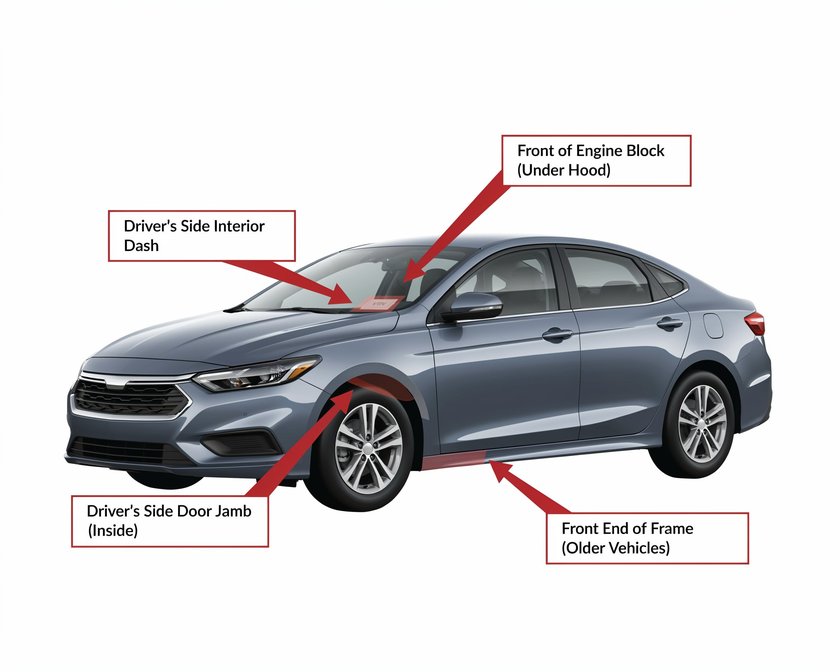
Check Your VIN
Detachable Sun Shades
Detachable sun shades offer a temporary solution for reducing glare and heat. They’re affordable, easy to install, and legal in all states.
Benefits of Car Window Tinting
Car window tinting offers several advantages beyond aesthetics. It improves driving comfort, protects passengers, and enhances vehicle security. Here's an overview of key benefits:
- Heat Reduction: Tints block significant amounts of solar heat, making your car cooler and reducing the need for air conditioning.
- UV Protection: High-quality tints can block up to 99% of harmful UV rays, safeguarding skin and preventing interior damage.
- Privacy: Tinted windows offer enhanced privacy, making it harder for outsiders to see inside your vehicle.
- Glare Reduction: Reducing glare from sunlight and headlights enhances driving visibility and safety.
How to Choose the Right Tint Percentage
Choosing the right tint percentage depends on your preferences, state laws, and the purpose of tinting. Here's a quick breakdown:
| Tint Percentage | Visibility | Best For |
|---|---|---|
| 50% | High visibility | Minimal heat and glare reduction |
| 35% | Balanced visibility and privacy | Daily drivers seeking moderate protection |
| 20% | Reduced visibility into the car | Enhanced privacy and UV protection |
| 5% | Almost no visibility | Maximum privacy, often used for limousines |
Consider consulting a professional installer to determine the best option for your needs.
Environmental Impact of Window Tinting
Car window tinting contributes to environmental benefits by improving energy efficiency. Here's how:
- Reduced Fuel Consumption: By keeping the car cooler, tinting reduces the need for air conditioning, leading to lower fuel consumption.
- Longevity of Interior Materials: By blocking UV rays, tints prevent the fading and cracking of upholstery, reducing waste and replacement needs.
- Energy Conservation: High-performance tints can contribute to less energy usage in vehicles, indirectly reducing carbon emissions.
For a sustainable choice, opt for eco-friendly tinting films that are non-toxic and recyclable.
Comparing DIY vs. Professional Window Tinting
Deciding between DIY and professional installation depends on your budget, skills, and desired results. Here's a comparison:
| Aspect | DIY Tinting | Professional Tinting |
|---|---|---|
| Cost | Lower ($50–$150) | Higher ($200–$800) |
| Skill Level | Requires patience and precision | Performed by trained experts |
| Quality | Varies depending on expertise | Consistently high quality |
| Warranty | Often not available | Typically includes a warranty |
While DIY may save money, professional services ensure a flawless finish and longer-lasting results.
Maintaining Tinted Windows
Proper maintenance is crucial for extending the lifespan of your window tint. Here are some tips:
- Wait Before Cleaning: Avoid cleaning newly tinted windows for at least 7 days to allow the film to set.
- Use Non-Ammonia Cleaners: Ammonia-based products can damage the tint. Use a gentle cleaner and a soft cloth instead.
- Avoid Sharp Objects: Prevent scratches by keeping sharp items away from the windows.
- Regular Inspections: Check for bubbling, peeling, or discoloration and address issues promptly to prevent further damage.
Following these tips will keep your car’s tint in optimal condition for years to come.
- Car Window Tinting: 7 Things You Need to Know
- 1. What Is Window Tint?
- 2. States Determine Tinting Laws
- 3. Window Tint Law Exemptions
- 4. Window Tinting Penalties
- 5. Car Tinting Installation Options and Cost
- 6. Different Kinds of Tint
- 7. Removing Window Tint Film
- Detachable Sun Shades
- Benefits of Car Window Tinting
- How to Choose the Right Tint Percentage
- Environmental Impact of Window Tinting
- Comparing DIY vs. Professional Window Tinting
- Maintaining Tinted Windows
Run a Free VIN Check
Pull the real history behind any car — recalls, title brands, odometer trail.
Related Articles

Car Battery Lifespan: How Long Do Car Batteries Last? - ChassisVIN
Understand car battery lifespan. Discover the factors that impact it. Get tips to extend your battery's life and how to get a vehicle history report.

VIN Country Codes: Decoding Your Vehicle's Origin | ChassisVIN
Discover the VIN country codes. Learn how to identify where your car was made. Get a detailed guide to vehicle manufacturing origins and VIN structure.

Best SUVs with Captain Seats: Top 2024 Models | ChassisVin.com
Discover the best SUVs with captain seats in 2024. Get detailed reviews, comparisons, and find the perfect family SUV with extra comfort. Search your VIN now!
Ready to Decode Your VIN?
Get instant results, completely free. No account needed.