
Can Too Much Oil Cause Knocking? - Engine Knocking Explained
Discover if overfilling your engine with oil can cause knocking sounds. Learn about the dangers of too much oil, engine problems, and how to prevent them. Search your vehicle's history today!
Can Too Much Oil Cause Knocking? Understanding the Risks
Have you ever heard a concerning knocking sound coming from your car's engine? You may be wondering, can too much oil cause knocking? The short answer is: yes. While engine knocking can stem from many issues, excessive oil is a surprisingly common culprit. This article dives deep into the link between oil levels and engine performance. We'll explore how overfilling with engine oil can create major problems. It's important to understand why proper oil levels matter to keep your engine running smoothly and prevent costly repairs. This is where a VIN decoder can be helpful.
Why Should I Know If Too Much Oil Cause Knocking?
Understanding the relationship between oil levels and engine knocking is crucial for several reasons:
- Engine Damage: Overfilling your engine with oil can cause serious damage. It can damage components like the crankshaft and connecting rods.
- Costly Repairs: Addressing engine knocking and the damage it causes can be expensive. Knowing the cause upfront can save you money.
- Vehicle Lifespan: Proper maintenance, including the correct oil level, extends the life of your vehicle.
- Early Detection: Recognizing the signs of oil-related issues can help you catch problems early, before they become major.
The Role of Engine Oil: Lubrication and Beyond
Engine oil plays a vital role in your car. It does more than just lubricate the engine parts. The oil:
- Reduces Friction: Engine oil helps to create a smooth surface between moving components. This lowers friction and heat.
- Cooling: Oil absorbs heat. It helps to keep engine components at a safe temperature.
- Cleaning: Oil carries away dirt, sludge, and debris. This keeps the engine clean.
- Sealing: Oil helps to seal piston rings and cylinder walls. This improves compression.
Too Much Oil: When you add too much oil, it can be as bad as not having enough. Excess oil can lead to increased pressure and other issues within the engine. This can lead to knocking sounds.
Want to know what makes up your vehicle? You can find your car's build sheet here: Build Sheet by VIN.
How Overfilling Causes Engine Knocking
So, how exactly does too much oil cause knocking? Here's the breakdown:
- Crankshaft Interference: When there's too much oil in the oil pan, the crankshaft can come into contact with the oil. This creates a lot of air bubbles.
- Oil Aeration: The crankshaft's contact with the oil causes it to be whipped into a foam. This is called aeration. Aerated oil doesn't lubricate or cool components properly.
- Reduced Lubrication: The aerated oil causes a lack of lubrication and heat buildup. This can cause knocking and damage to the engine.
- Hydraulic Lock: In some cases, excessive oil can lead to a hydraulic lock. This prevents the pistons from moving correctly, leading to severe engine damage.
Symptoms of Overfilled Oil and Engine Knock
Recognizing the signs of overfilled oil is key to preventing serious engine damage. Look out for these symptoms:
- Engine Knocking: This is the most noticeable sign. It can sound like a light tapping or a loud hammering.
- Oil Leaks: Excess oil can put pressure on seals, causing leaks.
- Smoke from the Exhaust: Overfilled oil can enter the combustion chamber and burn. This produces blue or white smoke from the exhaust pipe.
- Increased Oil Consumption: The engine may use more oil than usual as it tries to burn off the excess.
- Reduced Performance: The engine may lose power and run rough.
Check Your VIN
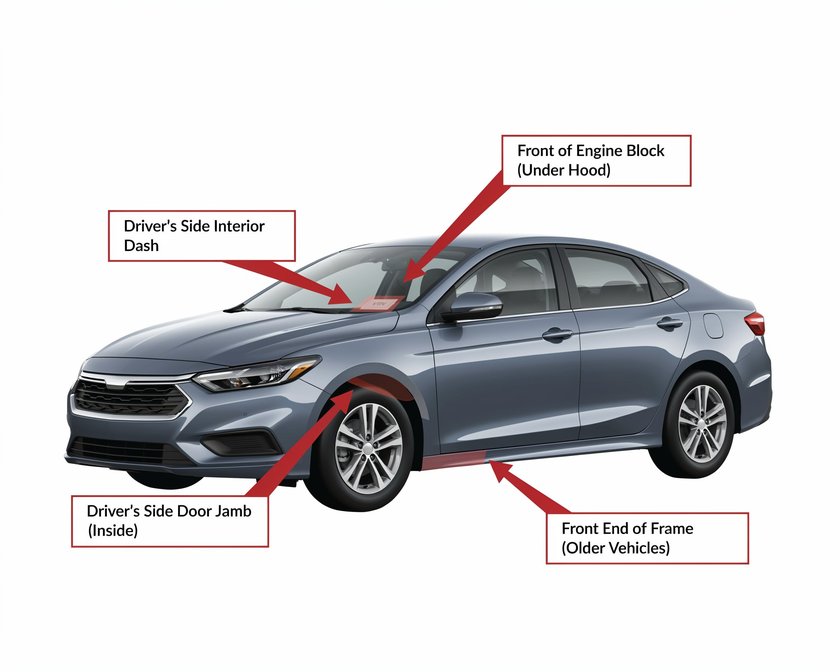
Diagnosing Engine Knocking: Beyond Oil Levels
While too much oil is a common cause, engine knocking can also result from many other issues, including:
- Low Oil Pressure: Insufficient oil can cause engine knocking.
- Worn Engine Components: Worn bearings, pistons, or connecting rods can cause noise.
- Incorrect Fuel: Using the wrong fuel can cause engine knock.
- Timing Issues: Problems with the engine timing can cause a knocking sound.
- Spark Plug Problems: Faulty spark plugs or wires can cause engine knocking.
If you suspect engine knocking, consult a trusted mechanic for a proper diagnosis. Here you can Search Vehicle Window Sticker to get more information.
Addressing Overfilled Oil: Step-by-Step Guide
If you suspect your engine has too much oil, take these steps:
- Check the Dipstick: Ensure the oil level is above the 'MIN' mark. If it's well above the 'MAX' mark, there's too much oil.
- Remove Excess Oil: Use an oil extractor or drain some oil from the drain plug.
- Check the Oil Quality: Make sure the oil is clean and free of contaminants.
- Restart the Engine: Run the engine to see if the knocking sound disappears.
- Monitor the Engine: If the knocking persists, take your car to a mechanic for a full check.
Preventing Engine Knocking: Best Practices
Preventing engine knocking requires regular care and maintenance:
- Use the Right Oil: Always use the oil type and viscosity recommended by your vehicle manufacturer.
- Check Oil Levels Regularly: Get into the habit of checking your oil levels.
- Follow the Oil Change Schedule: Stick to the recommended oil change intervals.
- Maintain Engine Components: Regularly inspect your engine and address any wear and tear.
- Avoid Overfilling: When adding oil, be careful not to add too much.
The Importance of Regular Vehicle Maintenance
Regular maintenance is the key to keeping your engine healthy. This is a table of common maintenance tasks:
| Maintenance Task | Frequency | Why It's Important |
|---|---|---|
| Oil Changes | Every 3,000-5,000 miles | Keeps the engine lubricated and clean. |
| Filter Replacement | Every oil change | Removes contaminants from oil. |
| Fluid Checks | Monthly | Ensures all fluids are at the proper levels. |
| Belt and Hose Inspection | Every oil change | Prevents leaks and failures. |
| Tire Rotation and Balancing | Every 6,000-8,000 miles | Ensures even tire wear and improves handling. |
These steps can also help in maintaining your vehicle's value and making it more attractive. Use our Classic Car VIN Lookup to get the information.
Overfilling Oil vs. Other Engine Problems
It's important to differentiate between the symptoms of overfilled oil and other common engine issues:
- Overfilled Oil: May cause knocking, oil leaks, smoke, and reduced performance.
- Low Oil Pressure: Can cause knocking and damage to engine components.
- Worn Engine Components: May cause knocking, reduced compression, and oil consumption.
- Incorrect Fuel: Can cause knocking and reduce engine efficiency.
If you are unsure, take your vehicle to a qualified mechanic. They can help diagnose the cause of the problem. Our License Plate Lookup can also help you find details about your vehicle.
When to Seek Professional Help
Not sure what is wrong? See a mechanic if you see the following signs:
- Persistent Knocking: If the knocking sound doesn't go away after adjusting the oil level.
- Unusual Noises: Any other unusual sounds coming from the engine.
- Warning Lights: If the check engine light is on.
- Poor Performance: If your car has a loss of power or runs rough.
- Oil Leaks: Any visible oil leaks under your vehicle.
A professional mechanic can accurately diagnose the source of the problem.
- Can Too Much Oil Cause Knocking? Understanding the Risks
- Why Should I Know If Too Much Oil Cause Knocking?
- The Role of Engine Oil: Lubrication and Beyond
- How Overfilling Causes Engine Knocking
- Symptoms of Overfilled Oil and Engine Knock
- Diagnosing Engine Knocking: Beyond Oil Levels
- Addressing Overfilled Oil: Step-by-Step Guide
- Preventing Engine Knocking: Best Practices
- The Importance of Regular Vehicle Maintenance
- Overfilling Oil vs. Other Engine Problems
- When to Seek Professional Help
Run a Free VIN Check
Pull the real history behind any car — recalls, title brands, odometer trail.
Related Articles

Car Battery Lifespan: How Long Do Car Batteries Last? - ChassisVIN
Understand car battery lifespan. Discover the factors that impact it. Get tips to extend your battery's life and how to get a vehicle history report.

VIN Country Codes: Decoding Your Vehicle's Origin | ChassisVIN
Discover the VIN country codes. Learn how to identify where your car was made. Get a detailed guide to vehicle manufacturing origins and VIN structure.

Best SUVs with Captain Seats: Top 2024 Models | ChassisVin.com
Discover the best SUVs with captain seats in 2024. Get detailed reviews, comparisons, and find the perfect family SUV with extra comfort. Search your VIN now!
Ready to Decode Your VIN?
Get instant results, completely free. No account needed.