
Should I Buy a Car Through My Business or Personally?
Learn the pros and cons of buying a car for business or personal use, including tax advantages, cost considerations, and operational impacts.
Business-Owned Auto vs. Personal Auto: The Facts
One of the most common dilemmas for entrepreneurs and professionals is whether to buy a car through their business or personally. Each option comes with unique benefits and drawbacks, depending on factors like tax implications, usage, and financial goals. In this guide, we’ll explore the considerations, advantages, and limitations of both choices to help you make an informed decision.
Should I Take a Mileage Deduction or Itemize My Expenses?
The way you account for car-related expenses can significantly impact your financial outcomes. Business owners can either take a mileage deduction or itemize expenses, depending on the specific circumstances:
- Mileage Deduction: If you use your personal vehicle for business, you can deduct the standard mileage rate, which includes costs for gas, maintenance, and depreciation.
- Itemized Expenses: This method is ideal if you own a car through your business and allows you to deduct specific expenses like lease payments, insurance, and repairs.
Should I Buy an Automobile Out of My Personal Budget or as a Business Expense?
When deciding whether to purchase a car personally or through your business, consider these key factors:
- Tax Benefits: Buying a car through your business often provides opportunities for tax deductions, such as depreciation and operational expenses.
- Personal Liability: A personal purchase limits your business exposure but offers fewer tax advantages.
Additionally, think about the intended use of the vehicle. If the car will be used primarily for business purposes, buying it through your company may make more sense.
Mileage Deductions That Aren’t Business Related
It’s important to understand that mileage deductions only apply to business-related travel. Personal trips, commuting, or other non-business-related travel are not eligible for these deductions. Accurately maintaining a mileage log ensures compliance with tax laws while maximizing potential savings.
An Example That Needed a Professional
Consider a freelance consultant who regularly uses their car for client meetings. Initially, they chose to buy the car personally but faced challenges tracking expenses. After consulting a tax professional, they realized that buying a car through their business and using itemized deductions could have saved them thousands annually.
Tips for Buying a Car for Your Business
Purchasing a car under a business name requires careful planning. Here are some tips:
- Evaluate the vehicle’s primary use to ensure it aligns with business needs.
- Understand the tax implications and consult with a professional.
- Compare financing options, such as loans and leases, to find the best deal.
Pros and Cons of Buying a Car for Business
Buying a car under a business name comes with both benefits and challenges:
Benefits of Buying a Car Under a Business Name
- Tax Advantages: Deduct expenses like fuel, maintenance, and insurance.
- Protect Personal Insurance Rates: Separating business and personal vehicles can prevent spikes in personal insurance rates.
- Streamline Business Operations: A dedicated business vehicle simplifies logistics and branding.
Cons of Buying a Car Under a Business Name
- High Upfront Costs: Purchasing or leasing a vehicle through your business may require significant initial investment.
- Maintenance Costs: Responsibility for ongoing repairs and upkeep can be costly.
- Impact on Business Liability: Accidents involving a business-owned car may expose your company to lawsuits.
Is It Worth Buying a Car Through My Business?
Ultimately, the decision depends on your financial goals, vehicle usage, and tax strategy. While business ownership offers distinct advantages, the costs and responsibilities must be carefully weighed.
What Counts as Using a Car for Business?
Activities that typically qualify as business use include client meetings, deliveries, and travel between job sites. Personal errands and commuting, however, do not qualify.
Why Is It Important to Buy a Car for Your Business Under Your Business Name?
Owning a car under your business name helps segregate assets, reduces personal liability, and enables straightforward accounting for tax purposes.
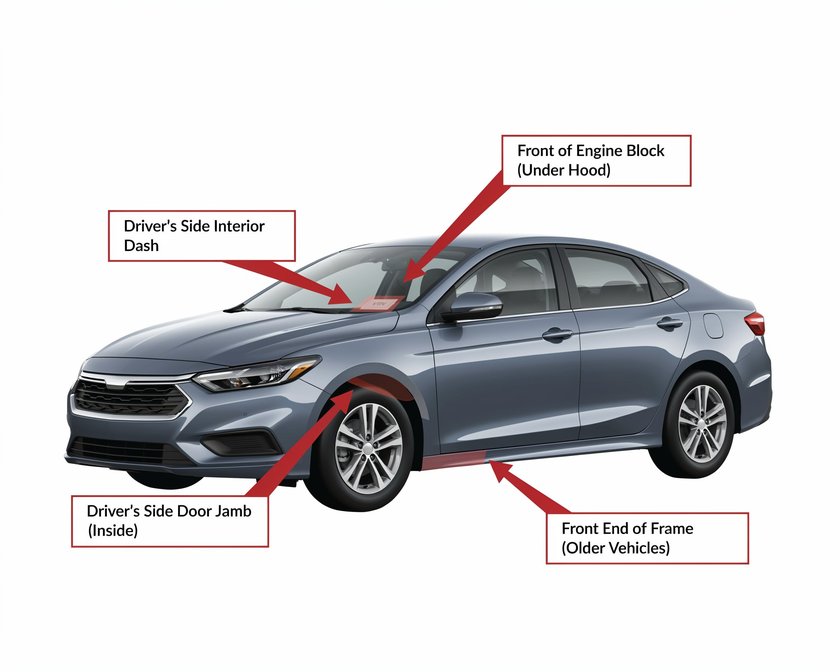
Check Your VIN
How to Track Business vs. Personal Mileage Effectively
Proper mileage tracking is essential for claiming deductions and maintaining compliance. Here are effective strategies:
- Use Mileage Tracking Apps: Tools like MileIQ or Everlance automatically log trips and differentiate between business and personal use.
- Maintain a Manual Log: Record the date, purpose, starting location, destination, and miles traveled for each trip in a notebook or spreadsheet.
- Set Clear Policies: If multiple employees use a business vehicle, establish rules for tracking mileage and reporting usage.
Can Leasing a Vehicle Be Better for Your Business?
Leasing a vehicle instead of buying one can offer distinct advantages for businesses:
- Lower Initial Costs: Leasing requires less upfront investment compared to purchasing a vehicle.
- Tax Deductions: Lease payments are often deductible as a business expense, making this option tax-efficient.
- Flexibility: Leases typically last a few years, allowing businesses to upgrade to newer models without committing to ownership.
However, leasing may come with mileage limits and restrictions, so carefully assess your business’s needs before choosing this option.
Insurance Considerations for Business-Owned Vehicles
Ensuring adequate insurance coverage for business-owned vehicles is critical. Consider the following:
- Commercial Auto Insurance: This policy is designed for business vehicles and typically offers higher coverage limits than personal auto insurance.
- Liability Protection: In the event of an accident, commercial policies help safeguard your business from significant financial losses.
- Bundling Policies: Some insurers offer discounts if you bundle commercial auto insurance with other business policies, such as general liability or property insurance.
Consult with an insurance professional to customize a policy that fits your business’s unique requirements.
Depreciation and Its Impact on Business-Owned Cars
Depreciation is a critical factor to consider when purchasing a car through your business. Here’s what you need to know:
- Section 179 Deduction: This provision allows businesses to deduct the full or partial cost of a vehicle in the year it’s placed in service.
- Bonus Depreciation: Certain new and used vehicles may qualify for additional depreciation deductions, boosting tax savings.
- Long-Term Considerations: While depreciation offers initial tax benefits, the vehicle’s resale value may decline significantly over time, impacting financial outcomes.
When Should You Avoid Buying a Car Through Your Business?
While there are many benefits to owning a car through your business, certain situations may make it less favorable:
- Limited Business Use: If the car will primarily be used for personal purposes, buying it under your business name may not justify the costs and administrative effort.
- Budget Constraints: Businesses with tight cash flow may struggle with the upfront costs and ongoing expenses of maintaining a vehicle.
- High Liability Risks: Companies in high-risk industries should weigh the potential legal implications of owning a vehicle through the business.
How to Transition a Personally Owned Vehicle to Your Business
Transitioning a personal vehicle to business ownership involves several steps:
- Determine Eligibility: Ensure the vehicle is primarily used for business purposes and meets tax deduction criteria.
- Update the Title: Transfer the vehicle’s title and registration to the business name.
- Adjust Insurance Coverage: Switch to a commercial auto insurance policy to align with the vehicle’s new ownership.
- Track New Expenses: Begin recording all costs related to the vehicle for accurate financial reporting and tax deductions.
Consult with a tax or legal professional to ensure compliance with local laws and regulations.
Environmental Considerations for Business Vehicles
As sustainability becomes a priority, businesses are exploring eco-friendly vehicle options:
- Electric and Hybrid Vehicles: These options reduce fuel costs and may qualify for government incentives or tax credits.
- Carbon Offsetting Programs: Consider participating in programs that mitigate your fleet’s carbon emissions.
- Fuel Efficiency: Opting for vehicles with better fuel efficiency lowers operational costs and environmental impact.
Prioritizing sustainability can enhance your business’s reputation while contributing to a greener future.
- Business-Owned Auto vs. Personal Auto: The Facts
- Should I Take a Mileage Deduction or Itemize My Expenses?
- Should I Buy an Automobile Out of My Personal Budget or as a Business Expense?
- Mileage Deductions That Aren’t Business Related
- An Example That Needed a Professional
- Tips for Buying a Car for Your Business
- Pros and Cons of Buying a Car for Business
- How to Track Business vs. Personal Mileage Effectively
- Can Leasing a Vehicle Be Better for Your Business?
- Insurance Considerations for Business-Owned Vehicles
- Depreciation and Its Impact on Business-Owned Cars
- When Should You Avoid Buying a Car Through Your Business?
- How to Transition a Personally Owned Vehicle to Your Business
- Environmental Considerations for Business Vehicles
Run a Free VIN Check
Pull the real history behind any car — recalls, title brands, odometer trail.
Related Articles

Car Battery Lifespan: How Long Do Car Batteries Last? - ChassisVIN
Understand car battery lifespan. Discover the factors that impact it. Get tips to extend your battery's life and how to get a vehicle history report.

VIN Country Codes: Decoding Your Vehicle's Origin | ChassisVIN
Discover the VIN country codes. Learn how to identify where your car was made. Get a detailed guide to vehicle manufacturing origins and VIN structure.

Best SUVs with Captain Seats: Top 2024 Models | ChassisVin.com
Discover the best SUVs with captain seats in 2024. Get detailed reviews, comparisons, and find the perfect family SUV with extra comfort. Search your VIN now!
Ready to Decode Your VIN?
Get instant results, completely free. No account needed.