
ABS and Traction Control Light On: What You Need to Know
Is your ABS and traction control light on? Learn the common causes, what to do, and how to keep your vehicle safe. Get expert advice on ChassisVIN.com.
ABS and Traction Control Light On: Understanding the Warning Signs
Seeing the ABS and traction control light on in your car can be unsettling. These lights are designed to alert you to potential safety issues. Ignoring them could lead to serious problems. This article will explain what these lights mean, why they come on, and what you should do. We'll cover everything from faulty sensors to system malfunctions. Our goal is to help you understand your car's systems and keep you safe on the road. Also, you can get more insights with a VIN decoder.
What Do the ABS and Traction Control Systems Do?
Before diving into why these lights come on, let’s review what the ABS and traction control systems do. These systems work together to enhance your vehicle's safety and handling.
ABS (Anti-lock Braking System): ABS prevents your wheels from locking up during braking. This allows you to maintain steering control in emergency stops. Without ABS, your wheels could lock, causing you to skid and lose control. The system uses sensors to monitor wheel speed. If a wheel starts to lock, ABS rapidly pumps the brakes, preventing a complete lockup.
Traction Control System (TCS): TCS prevents wheelspin during acceleration. It detects when a wheel is spinning faster than the others. It reduces engine power or applies the brakes to the spinning wheel. This helps maintain traction on slippery surfaces. TCS is especially useful in rain, snow, and ice.
When both systems function correctly, they work together seamlessly. They enhance your ability to control the vehicle. They reduce the risk of accidents.
Common Causes of ABS and Traction Control Light Activation
There are several reasons why the ABS and traction control light on might appear on your dashboard. Knowing these causes can help you diagnose the problem. It can also prevent further damage.
- Faulty Wheel Speed Sensors: These sensors monitor the rotational speed of each wheel. They are crucial for both ABS and TCS. A damaged or dirty sensor can send incorrect data. This will trigger the warning lights.
- Low Brake Fluid: The ABS system relies on brake fluid. If the fluid level is too low, it can affect the system's performance. A leak in the brake system can cause this.
- ABS Module Malfunction: The ABS module is the brain of the ABS system. If the module itself fails, it can cause the lights to come on. The module might have internal electrical problems or other issues.
- Problems with Traction Control Software: Software glitches can sometimes cause the TCS light to activate. This could be due to a software update issue or other programming problems.
- Worn Brake Pads: While not directly related, worn brake pads can affect the braking system. They can cause the brake fluid level to drop. This could trigger the ABS light.
- Issues with the Hydraulic Pump: The hydraulic pump is responsible for providing brake pressure. If it fails, the ABS light may illuminate.
Diagnosing the Problem: Step-by-Step Guide
When the ABS and traction control light on, you need to diagnose the issue. Here's a step-by-step guide to help you:
- Check for Obvious Issues: Start by visually inspecting your vehicle. Look for any obvious problems, such as low brake fluid or damaged wiring.
- Use an OBD-II Scanner: An OBD-II scanner can read diagnostic trouble codes (DTCs). These codes can help pinpoint the problem. This is especially useful for identifying sensor issues.
- Inspect Wheel Speed Sensors: Examine the wheel speed sensors. Look for any damage or debris. Clean the sensors if necessary.
- Check Brake Fluid Level: Make sure your brake fluid is at the proper level. If it's low, check for leaks.
- Professional Inspection: If you cannot identify the problem, take your car to a trusted mechanic. They have the tools and expertise to diagnose complex issues.
Can You Keep Driving With the ABS and Traction Control Lights On?
Driving with the ABS and traction control light on can be risky. Here's what you should consider:
ABS: If the ABS light is on, your anti-lock braking system is disabled. This means that your wheels can lock up during braking. This can lead to a loss of control. You can still brake. However, you need to be more careful. Avoid hard braking. Give yourself more stopping distance.
TCS: If the traction control light is on, your TCS is disabled. You might experience wheelspin during acceleration, especially on slippery surfaces. Drive cautiously in wet or icy conditions. Be mindful of your acceleration.
Recommendation: It is always best to have the issue checked as soon as possible. While you might be able to drive, your car's safety systems are compromised. Ignoring the warning lights can increase your risk of an accident. It can lead to more costly repairs down the road.
Steps to Take When the ABS and Traction Control Lights Illuminate
If you see the ABS and traction control light on, take these steps:
- Stay Calm: Don’t panic. The lights indicate a problem, but you don't necessarily have to stop driving immediately.
- Assess Driving Conditions: Adjust your driving to suit the conditions. Drive slower. Increase your following distance. Be especially cautious on wet or icy roads.
- Check Fluid Levels: Check your brake fluid level. Add fluid if necessary. Be aware that low fluid could indicate a leak.
- Use an OBD-II Scanner: If you have an OBD-II scanner, use it to read any stored trouble codes. These codes can provide clues about the problem.
- Schedule an Inspection: Make an appointment with a qualified mechanic to diagnose and repair the issue. Do this as soon as possible.
Check Your VIN
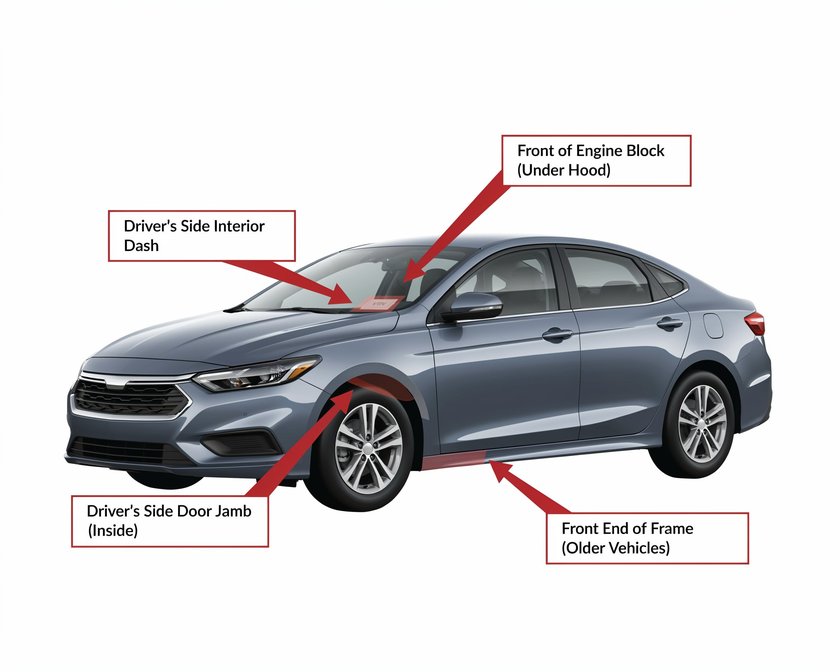
What to Expect During a Professional Inspection
When you take your car to a mechanic with the ABS and traction control light on, here’s what to expect:
- Initial Assessment: The mechanic will start with a visual inspection. They will check for any obvious problems. They will also ask you about the symptoms you have noticed.
- Diagnostic Scan: The mechanic will use an OBD-II scanner to read any trouble codes. These codes will guide the diagnosis process.
- System Tests: The mechanic will perform various tests. These tests will verify the functionality of the ABS and TCS systems. They might test wheel speed sensors, the ABS module, and other components.
- Component Inspection: The mechanic will inspect individual components. They will check for damage or wear. This could involve removing wheels to inspect sensors.
- Repair Recommendation: The mechanic will explain the problem and recommend necessary repairs. They will provide a cost estimate.
- Repair Process: After your approval, the mechanic will perform the repairs. They will replace faulty parts. They will repair wiring. They might flush the brake system.
- Post-Repair Testing: After repairs, the mechanic will test the systems. They will make sure that the lights are off. They will ensure that the ABS and TCS function correctly.
You can use build sheet by VIN to see what features your vehicle has.
Preventive Maintenance Tips to Avoid Future Issues
Preventive maintenance can help you avoid problems with your ABS and traction control systems. Follow these tips:
- Regular Brake Inspections: Have your brakes inspected regularly. This includes checking brake pads, rotors, and brake lines.
- Fluid Checks and Changes: Regularly check and change your brake fluid. Follow your car's maintenance schedule.
- Wheel Alignment: Maintain proper wheel alignment. This can help prevent uneven tire wear, which can affect wheel speed sensors.
- Tire Care: Keep your tires properly inflated. Regularly rotate and replace your tires.
- Sensor Cleaning: Have your wheel speed sensors cleaned during regular maintenance. This can prevent buildup.
- Professional Service: Trust your vehicle's care to trained technicians.
The Importance of Addressing ABS and Traction Control Issues
Addressing ABS and traction control light on issues is vital for your safety. Both systems are designed to enhance your control over the vehicle. They help you avoid accidents.
Here's why it's important to address these issues:
- Enhanced Safety: ABS and TCS increase your ability to control your vehicle in challenging conditions.
- Reduced Risk of Accidents: Properly functioning systems can help prevent skidding. They can also reduce wheelspin.
- Compliance: In some areas, safety systems must function correctly.
- Prevent Further Damage: Addressing the issue early can prevent more costly repairs down the line.
Don't wait to have your vehicle inspected and repaired. Take steps to ensure your safety and that of others on the road.
When to Seek Professional Help
If the ABS and traction control light on, it is time to seek professional help.
Here are situations where professional help is necessary:
- Persistent Lights: If the lights stay on, despite resetting the system.
- Strange Noises: If you notice unusual noises during braking or acceleration.
- Poor Braking Performance: If you experience reduced braking performance.
- Unusual Handling: If your car feels unstable or difficult to control.
- Difficulty Diagnosing the Problem: If you cannot identify the cause of the lights.
A qualified mechanic can diagnose and fix the underlying issue.
Impact of VIN on ABS and Traction Control System
Your Vehicle Identification Number (VIN) is a unique code for your vehicle. It contains information about its make, model, and features. The VIN is very important when dealing with ABS and traction control systems. You can use the VIN to access detailed information about your vehicle.
- Vehicle Specific Information: The VIN helps identify the exact specifications of your vehicle. This includes the type of ABS and traction control system installed. It can also reveal any factory recalls.
- Part Compatibility: Using the VIN can ensure you get the correct replacement parts. This is crucial for wheel speed sensors, ABS modules, and other components.
- Diagnostic Tools: Mechanics use VIN to access specific diagnostic information for your vehicle. This will make troubleshooting easier.
- History Reports: A VIN check can reveal information. This includes accidents or repairs that might have affected your vehicle's safety systems.
Using your VIN ensures accurate information. It also allows for correct maintenance and repairs.
Table Example: ABS and Traction Control Issues
| Symptom | Possible Cause | Action |
|---|---|---|
| ABS and Traction Control Lights On | Faulty Wheel Speed Sensor | Inspect and replace sensor |
| Braking Performance Reduced | Low Brake Fluid | Check for leaks, add fluid |
| Vehicle Instability | ABS Module Malfunction | Have module inspected |
| Wheelspin During Acceleration | Traction Control Software Issue | Update software |
| Brake Pedal Pulsation | Worn Brake Pads | Replace brake pads |
| Unusual Noise During Braking | Hydraulic Pump Issue | Inspect and replace pump |
Table Example: Driving Safely with Lights On
| Driving Condition | Recommendation |
|---|---|
| Slippery Roads | Reduce speed, increase following distance |
| Emergency Braking | Avoid hard braking, pump brakes |
| Acceleration | Accelerate gently |
| Turns | Take turns slowly |
| General Driving | Drive with extra caution |
- ABS and Traction Control Light On: Understanding the Warning Signs
- What Do the ABS and Traction Control Systems Do?
- Common Causes of ABS and Traction Control Light Activation
- Diagnosing the Problem: Step-by-Step Guide
- Can You Keep Driving With the ABS and Traction Control Lights On?
- Steps to Take When the ABS and Traction Control Lights Illuminate
- What to Expect During a Professional Inspection
- Preventive Maintenance Tips to Avoid Future Issues
- The Importance of Addressing ABS and Traction Control Issues
- When to Seek Professional Help
- Impact of VIN on ABS and Traction Control System
Run a Free VIN Check
Pull the real history behind any car — recalls, title brands, odometer trail.
Related Articles
Car Battery Lifespan: How Long Do Car Batteries Last? - ChassisVIN
Understand car battery lifespan. Discover the factors that impact it. Get tips to extend your battery's life and how to get a vehicle history report.

VIN Country Codes: Decoding Your Vehicle's Origin | ChassisVIN
Discover the VIN country codes. Learn how to identify where your car was made. Get a detailed guide to vehicle manufacturing origins and VIN structure.

Best SUVs with Captain Seats: Top 2024 Models | ChassisVin.com
Discover the best SUVs with captain seats in 2024. Get detailed reviews, comparisons, and find the perfect family SUV with extra comfort. Search your VIN now!
Ready to Decode Your VIN?
Get instant results, completely free. No account needed.