
Reconstructed Car Titles: A Complete Guide
Learn everything about reconstructed car titles. Understand what they mean, how they impact your car, and how to find vehicle history. Get the full picture!
What is a Reconstructed Car Title?
A **reconstructed car title** means a vehicle was once totaled. This means it was damaged badly. The insurance company said it was a total loss.
But, the car was fixed. It passed a safety inspection. Then, it got a new title. This title says "reconstructed" or "rebuilt".
Buying a car with a reconstructed title? It is important to know the vehicle history. You can search vehicle history by VIN on ChassisVin. This helps you make smart choices.
What Does "Reconstructed" Really Mean?
When a car gets a reconstructed title, it has been through a lot. It was damaged. It might have been in a crash. It could have been flooded or burned.
The insurance company looked at the damage. They decided it was too costly to fix. They called it a "total loss."
Later, someone fixed the car. They had to meet state rules. The car then got a new title. That title is a reconstructed title.
This title tells you the car had serious problems. It is a key piece of information. Always check a car's history before buying it.
You can find a car's history easily. Use a VIN decoder to do so. It's a quick way to get the facts.
Rebuilt vs. Salvage vs. Reconstructed: What's the Difference?
Many terms describe damaged cars. It is easy to get confused. Here is a quick guide:
- Salvage Title: A car with major damage. It is not safe to drive as is. It might be missing parts.
- Reconstructed Title: A car that was once totaled. But, it has been fixed and inspected. It is safe to drive now.
- Rebuilt Title: This is the same as a reconstructed title.
All these titles mean a car has a history of damage. They can affect its value and insurance.
Always check the title. Also, get a vehicle history report before you buy. A ChassisVin vehicle history report gives you important details.
The Impact of a Reconstructed Title
A reconstructed title affects a car in several ways. It is important to know these before you buy.
- Value: Cars with rebuilt titles are worth less. This is compared to cars with clean titles.
- Insurance: Some companies charge more to insure these cars. Some may not offer full coverage.
- Resale: Selling a car with a rebuilt title can be hard. Buyers may be wary.
- Financing: Some lenders do not want to finance these cars.
Be sure to consider these things. Make a smart choice for your money.
To make a good choice, check the car's history. This is a smart move. You can search by VIN on ChassisVin.
Should You Buy a Car with a Reconstructed Title?
Buying a car with a reconstructed title has pros and cons. Think carefully before you decide.
Pros:
- Lower Price: You can often get a better deal.
- Repaired Condition: The car has been fixed. It might run fine.
Cons:
- Lower Value: The car will be worth less if you sell it.
- Insurance Costs: Insurance may be higher. It might be hard to get.
- Potential Issues: Repairs may not be perfect. There could be problems later.
Make sure you have a mechanic check the car before you buy. Also, get a vehicle history report. Look for the vehicle history by VIN on ChassisVin.
Key Considerations:
- Inspection: Always have a trusted mechanic check the car.
- History Report: Know the car's past. Use a VIN report.
- Insurance Quotes: Find out how much it will cost to insure.
- Negotiation: Use the title to negotiate a fair price.
With research, you can make a good choice. Weigh the risks and rewards.
How to Check a Car's History
You can learn a lot about a car's past. This will help you make a good choice. Here are the steps.
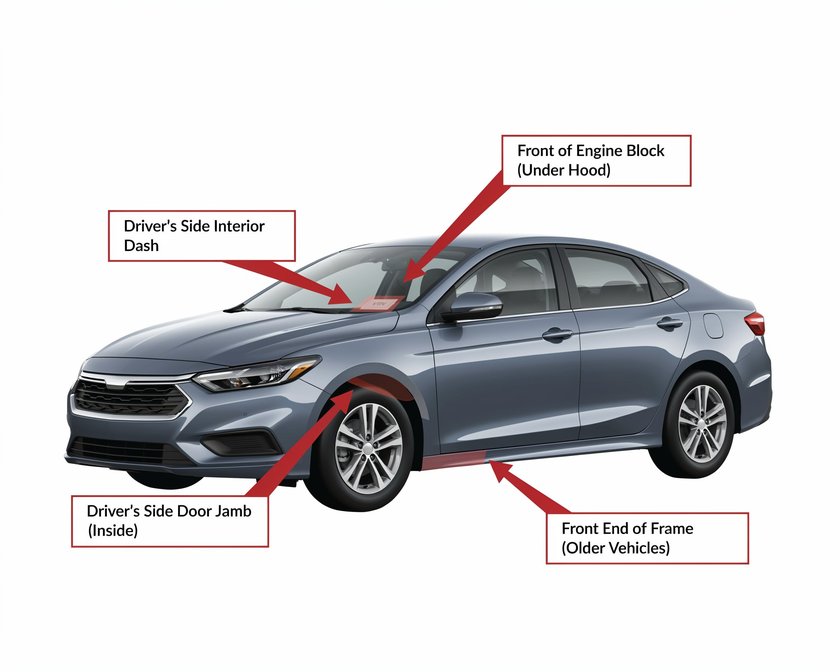
- Get the VIN: Find the Vehicle Identification Number. It is usually on the dashboard. You can also find it on the title or registration.
- Use a VIN Decoder: Go to ChassisVin. Enter the VIN.
- Get a Vehicle History Report: The report will tell you about the title. It will also show accidents, damage, and other details.
- Review the Report: Look for anything that seems odd. Make sure it matches what the seller says.
Checking the history can save you trouble. It can protect you from getting a bad car.
A ChassisVin vehicle history report offers lots of info. It's a smart way to protect your investment.
Check Your VIN
What to Look for in a Vehicle History Report
A vehicle history report gives you key facts. It can help you avoid problems. Here is what to look for:
- Title Status: Check for a rebuilt or reconstructed title.
- Accident History: See if the car was in any crashes.
- Damage: Look for any damage reported.
- Mileage: Make sure the mileage is correct.
- Ownership: See how many owners the car has had.
Check the report carefully. Compare it to what the seller says. If something is wrong, ask questions. Or, walk away from the deal.
You can use ChassisVin to get these reports. It helps you make smart choices.
Insurance and Reconstructed Titles
Getting insurance for a rebuilt car can be tricky. Some companies might not offer full coverage. Others might charge more. Shop around to get the best deal.
What to Know:
- Coverage: Check what the policy covers. Make sure it fits your needs.
- Cost: Compare rates from different companies.
- Inspection: Your insurance company may want to inspect the car.
Contact several insurance companies. Ask about rebuilt titles. Get quotes. Then, compare the policies and prices.
Insurance costs can affect your budget. Make sure you can afford it. Check the vehicle history by VIN on ChassisVin for more data.
Financing a Reconstructed Title Vehicle
Getting a loan for a rebuilt car can be hard. Some lenders do not want to finance them. Others might offer a loan but at a higher rate.
Tips for Financing:
- Shop Around: Talk to different banks and credit unions.
- Be Prepared: Have all the paperwork ready. This includes the title and inspection reports.
- Consider the Value: The car's value affects the loan terms.
Do your research. Look for lenders that work with rebuilt cars. Be ready to provide information. Then, you can get the best loan possible.
Knowing the vehicle's history can help you. A ChassisVin vehicle history report gives you details. This can help when applying for a loan.
Inspecting a Reconstructed Vehicle
Always have a mechanic inspect a rebuilt car. This is very important. It helps you find problems you cannot see.
What to Check:
- Frame: Look for any signs of damage.
- Body: Check for rust or poor repairs.
- Engine: Make sure it runs well.
- Safety Systems: Test the brakes, lights, and airbags.
A good mechanic will spot issues. They can help you decide if the car is safe. If problems are found, use them to negotiate the price.
Also, do not skip the vehicle history report. You can search it by VIN on ChassisVin. It shows if the car has been in any crashes.
Reconstructed Title Laws by State
The rules for rebuilt titles vary by state. Each state has its own laws. Some states require an inspection. Others may have different rules.
Key Points:
- Inspection: Some states require a special inspection. This makes sure the car is safe.
- Documentation: You must provide proof of repairs.
- Title Branding: The title will be marked to show it is rebuilt.
Before you buy, learn your state's rules. Check with your local DMV. This helps you avoid problems later.
You can get a vehicle history report to learn more. The report can give you key details. Use ChassisVin to look for more details.
Pros and Cons: At a Glance
Here is a quick look at the pros and cons of a reconstructed car:
| Pros | Cons |
|---|---|
| Lower Price | Lower Resale Value |
| Potentially Reliable | Higher Insurance Costs |
| Repaired to Drive | Financing Challenges |
| Inspection Needed |
Make sure you weigh these factors. Consider your needs and budget. Make an informed decision before you buy.
Always get the vehicle history report. Use ChassisVin to find it. Know the full story before you act.
- What is a Reconstructed Car Title?
- What Does "Reconstructed" Really Mean?
- Rebuilt vs. Salvage vs. Reconstructed: What's the Difference?
- The Impact of a Reconstructed Title
- Should You Buy a Car with a Reconstructed Title?
- How to Check a Car's History
- What to Look for in a Vehicle History Report
- Insurance and Reconstructed Titles
- Financing a Reconstructed Title Vehicle
- Inspecting a Reconstructed Vehicle
- Reconstructed Title Laws by State
- Pros and Cons: At a Glance
Run a Free VIN Check
Pull the real history behind any car — recalls, title brands, odometer trail.
Related Articles

Car Battery Lifespan: How Long Do Car Batteries Last? - ChassisVIN
Understand car battery lifespan. Discover the factors that impact it. Get tips to extend your battery's life and how to get a vehicle history report.

VIN Country Codes: Decoding Your Vehicle's Origin | ChassisVIN
Discover the VIN country codes. Learn how to identify where your car was made. Get a detailed guide to vehicle manufacturing origins and VIN structure.

Best SUVs with Captain Seats: Top 2024 Models | ChassisVin.com
Discover the best SUVs with captain seats in 2024. Get detailed reviews, comparisons, and find the perfect family SUV with extra comfort. Search your VIN now!
Ready to Decode Your VIN?
Get instant results, completely free. No account needed.