
Finding Tire Size Using VIN: Your Ultimate Guide
Learn how to find your tire size using your VIN. Get tire size information quickly and accurately. Use our VIN decoder for your vehicle details.
Finding Tire Size Using VIN: A Simple Guide
Need new tires? Knowing your tire size is key. This guide shows you how to find your tire size using your Vehicle Identification Number (VIN). It's a fast, easy way to get the right tires.
What is a VIN?
A VIN is a unique 17-character code. It’s like a fingerprint for your car. It holds important details about your vehicle. This includes the make, model, and manufacturing year.
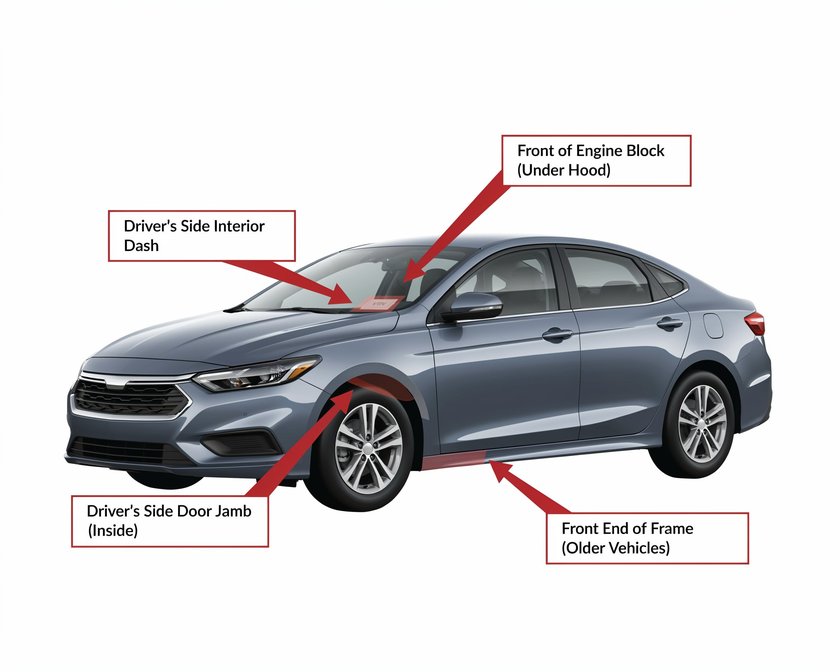
You can find your VIN in several places. These include your car’s dashboard, and the driver-side doorjamb. You can also find it on your insurance card or vehicle registration.
Why Find Tire Size Using VIN?
Using your VIN helps you find the correct tire size. It avoids guesswork. It ensures your tires fit your car properly. This is vital for safety and performance.
Incorrect tire sizes can lead to issues. These include poor handling and reduced fuel efficiency. Using your VIN helps you avoid these problems.
Step-by-Step: Finding Tire Size Using Your VIN
Finding your tire size with your VIN is straightforward. Follow these steps for accuracy.
Step 1: Locate Your VIN
Find your VIN. It's usually on the dashboard. Check the driver's side doorjamb. The VIN is also on your registration and insurance card.
Step 2: Use a VIN Decoder
Use a VIN decoder to get your vehicle’s specs. Many online tools are free. These tools provide details like the make, model, and year of your vehicle. These details can lead to the correct tire size.
A VIN decoder is an invaluable tool. It simplifies the process of uncovering your vehicle’s specifications. Our VIN decoder gives you quick access to your vehicle’s details.
Step 3: Check Your Owner's Manual
Your owner's manual is a great resource. It lists the recommended tire size. This is the size the manufacturer suggests for your car.
If you've lost your manual, don't worry. You can often find a digital copy online. Search by your car's make, model, and year.
Step 4: Look at Your Tires
The tire size is printed on the tire sidewall. You'll see a series of numbers and letters. This code tells you the tire's size.
An example is P215/60R16. P means passenger tire. 215 is the tire width in millimeters. 60 is the aspect ratio. R means radial construction. 16 is the wheel diameter in inches.
Step 5: Cross-Reference Tire Size
Compare the information you found. Ensure the tire size matches. If it does, you're ready to buy new tires.
Double-check all the information. This ensures the right fit for your vehicle. This step reduces errors.
Decoding Tire Size: What the Numbers Mean
Tire size codes can seem confusing. But they’re easy to understand with a little knowledge. Here’s a breakdown of what the numbers and letters represent.
Tire Size Code Explained
Let's use the example: P215/60R16.
- P: Indicates passenger tire. Other codes exist for trucks and SUVs.
- 215: Tire width in millimeters.
- 60: Aspect ratio (height to width percentage).
- R: Radial construction.
- 16: Wheel diameter in inches.
Understanding Tire Load and Speed Ratings
Tire codes include load and speed ratings. These are important for safety.
- Load Rating: Shows how much weight the tire can carry.
- Speed Rating: Indicates the tire's maximum speed.
Always choose tires with the correct load and speed ratings. These ratings ensure optimal performance.
Additional Resources: VIN Decoders and Tire Information
Several resources can help you find your tire size. Here are some useful options.
Online VIN Decoders
Online VIN decoders are valuable tools. They provide quick access to your vehicle’s specs. Many are available for free. Just enter your VIN to get started.
Check out our VIN decoder. It's easy to use and provides comprehensive vehicle data. Use our VIN decoder now.
Manufacturer Websites
Many car manufacturers offer VIN lookup tools. Use these tools to get your vehicle’s specifications. This includes the recommended tire size.
Visit your car’s manufacturer website. Look for a VIN lookup tool. Enter your VIN. You can then view the tire information.
Tire Retailer Websites
Tire retailers have tools to help you find the right tires. Enter your vehicle details to see compatible tire sizes. Discount Tire and Goodyear have helpful tools for tire selection. You can find tires for all seasons and weather conditions. Check their websites for guidance.
Websites like Goodyear and Discount Tire can help you. They often have lookup tools. These help you find the right tires for your vehicle.
Check Your VIN
Benefits of Knowing Your Tire Size
Knowing your tire size has many benefits. It ensures safety and improves performance.
Enhanced Safety
The right tire size boosts your safety. It improves handling and braking. This helps you stay in control of your vehicle.
Correct tires are crucial for road safety. They grip the road better. This provides better control.
Optimal Performance
The correct tire size ensures peak performance. It maximizes fuel efficiency. It also provides a smoother ride.
Proper tire size ensures your car operates as designed. This leads to a more enjoyable driving experience.
Preventing Damage
Using the wrong tire size can damage your car. This can cause issues with the suspension and other parts. Always choose the right size.
Correct tires help prevent premature wear and tear. They help you avoid costly repairs.
Tire Size and Vehicle History
Vehicle history reports can provide additional information about your car. These reports include details about your vehicle’s specifications. They can also show what tires were originally on your car.
Vehicle History Reports
Vehicle history reports provide a wealth of data. This data may include your car’s original tire size. They can also show any tire replacements or issues.
Get a vehicle history report to learn more. Find out past accidents. See maintenance records and more.
If you want to learn more about your vehicle, consider using our unlimited vehicle history reports. These reports may provide additional context about your tire needs.
Checking Your Vehicle’s Build Sheet
A vehicle build sheet lists your car's original features. This includes the original tire size. This is an important resource. It can help you with tire selection.
You can generate a build sheet using your VIN. This can give you precise details about your vehicle’s original build. This can include the tire size. Generate your build sheet now using our build sheet by VIN tool.
Table: Common Tire Size Codes and Their Meanings
Here’s a table that displays common tire size codes and their meanings.
Common Tire Size Codes
| Tire Code | Meaning |
|---|---|
| P215/60R16 | Passenger tire, 215mm width, 60% aspect ratio, radial, 16-inch rim |
| LT235/85R16 | Light truck tire, 235mm width, 85% aspect ratio, radial, 16-inch rim |
| 205/55R16 | 205mm width, 55% aspect ratio, radial, 16-inch rim |
Table: Where to Find Your VIN
Here's a table that shows the common locations where you can find your VIN.
VIN Locations
| Location | Description |
|---|---|
| Dashboard | Visible through the windshield. |
| Driver's side doorjamb | Sticker inside the door frame. |
| Vehicle registration | Printed on your registration document. |
| Insurance card | Often printed on your insurance card. |
Beyond Tire Size: More ChassisVin.com Services
ChassisVin.com offers many services besides finding tire size. Explore these tools for more vehicle information.
VIN Decoder
Use our VIN decoder. It gives you full vehicle specifications. It provides comprehensive data about your car.
Window Sticker
Get your car's original window sticker. It contains details like features and options. It's easy to generate with your VIN. Generate your window sticker now.
License Plate Lookup
Need to know about a car by its license plate? Use our license plate lookup tool. It provides vehicle details.
Classic Car Lookup
Do you own a classic car? Our classic lookup tool gives you information. Get details about vintage vehicles.
Paint Code by VIN
Find your car’s paint code. Our paint code by VIN tool helps you. It helps you find the exact paint color.
Build Sheet by VIN
Get your car's original build sheet. See the original features. Use our build sheet by VIN tool.
Vehicle History Reports
Access detailed vehicle history reports. Get information on accidents and maintenance. Use our unlimited vehicle history reports.
- Finding Tire Size Using VIN: A Simple Guide
- What is a VIN?
- Why Find Tire Size Using VIN?
- Step-by-Step: Finding Tire Size Using Your VIN
- Decoding Tire Size: What the Numbers Mean
- Additional Resources: VIN Decoders and Tire Information
- Benefits of Knowing Your Tire Size
- Tire Size and Vehicle History
- Beyond Tire Size: More ChassisVin.com Services
Run a Free VIN Check
Pull the real history behind any car — recalls, title brands, odometer trail.
Related Articles

Car Battery Lifespan: How Long Do Car Batteries Last? - ChassisVIN
Understand car battery lifespan. Discover the factors that impact it. Get tips to extend your battery's life and how to get a vehicle history report.

VIN Country Codes: Decoding Your Vehicle's Origin | ChassisVIN
Discover the VIN country codes. Learn how to identify where your car was made. Get a detailed guide to vehicle manufacturing origins and VIN structure.

Best SUVs with Captain Seats: Top 2024 Models | ChassisVin.com
Discover the best SUVs with captain seats in 2024. Get detailed reviews, comparisons, and find the perfect family SUV with extra comfort. Search your VIN now!
Ready to Decode Your VIN?
Get instant results, completely free. No account needed.