
Checking Car Ownership by VIN: Your Complete Guide
Learn how to check car ownership by VIN. Get owner information, vehicle history, and more. Protect yourself from fraud and make informed decisions. Visit ChassisVin.com!
Checking Car Ownership by VIN: What You Need to Know
Are you thinking about buying a used car? Or maybe you're curious about a vehicle's history? Checking car ownership by VIN is a smart move.
A VIN (Vehicle Identification Number) is like a car's fingerprint. It holds a lot of information. This guide will help you understand how to check car ownership by VIN.
You'll learn why it's important. We'll also cover how to find the VIN. Plus, we'll talk about what information you can get.
Why Check Car Ownership by VIN?
Knowing who owns a car is crucial for several reasons. It protects you from scams. It can also help you avoid buying a stolen vehicle.
Checking ownership helps confirm the seller is the legal owner. This prevents future legal issues. This check is vital for a safe, smooth transaction.
It can also reveal potential liens on the car. A lien means someone else has a claim on the vehicle. This could be a bank or a previous owner.
Checking car ownership by VIN helps avoid these problems. It gives you peace of mind. You'll know you're making a smart decision. This helps you become an informed buyer.
Finding the VIN: Where to Look
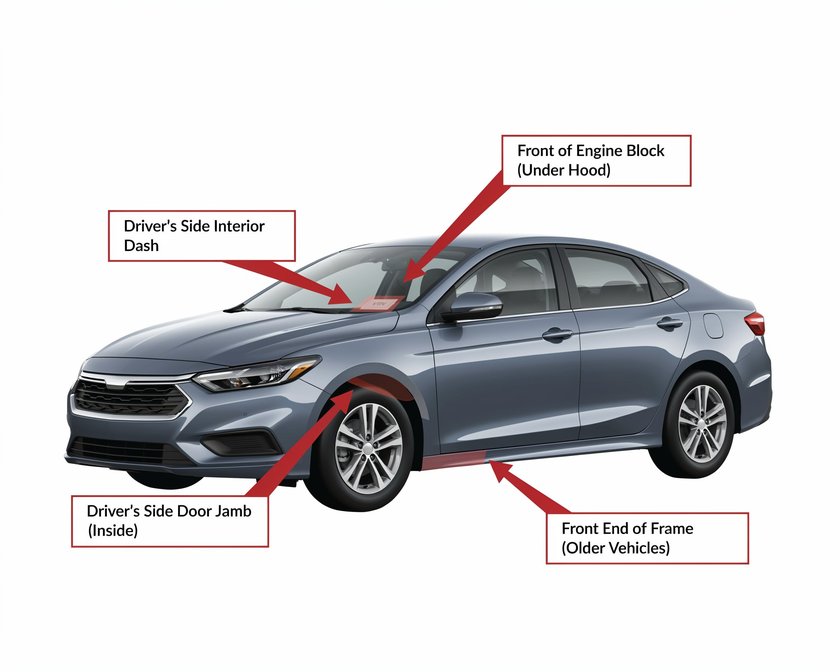
The VIN is a unique 17-character code. It's a key to vehicle information. You can find it in several places.
The most common spot is on the driver's side dashboard. Look near the windshield. You can usually see it from outside the car.
Check the driver's side doorjamb. The VIN is often on a sticker there. The car's title and registration also have the VIN.
You can also find the VIN on your insurance card. It's also usually on the car's engine block. If you're not sure, consult the owner's manual.
Knowing where to find the VIN makes the process easy. You'll quickly access the information you need.
What Information Can You Get from a VIN Check?
A VIN check provides a wealth of information. This includes owner details, vehicle history, and more. This information helps make informed decisions.
You can find the registered owner's name and address. This confirms the seller's identity. A VIN check also reveals any reported accidents.
It can show you if the car was ever stolen. Or if it has a salvage title. This tells you the car's been in a major accident.
A VIN check often provides mileage records. You can also see if there are any open recalls. These are safety issues that need to be fixed.
Some reports include service records. You'll also learn about any liens on the vehicle. Or you'll know if it was used as a taxi or rental car.
A complete VIN check gives you a clear picture. This helps you to assess a car's history. It's a valuable tool when buying or selling a car.
How to Check Car Ownership by VIN
Checking car ownership by VIN is easy. You can do it online. You can also use a service like ChassisVin.com.
Start by finding the VIN. Then, go to a VIN check website. Enter the VIN in the search box.
The website will generate a report. This report includes owner information and vehicle history. Review the report carefully. Look for any red flags. These include accident reports or salvage titles.
Some services offer free basic checks. Others offer more detailed reports. Paid reports usually provide more comprehensive data. Choose the service that best fits your needs.
Free vs. Paid VIN Checks: What's the Difference?
Free VIN checks provide basic information. This includes the car's make, model, and year. You might also get basic accident history.
Paid VIN checks offer more detailed reports. They often include owner information, accident reports, and mileage verification. They might have title issues.
Paid reports usually include more comprehensive data. They often have more sources. These help to get a better understanding of the vehicle. Consider your needs when choosing.
If you need detailed information, choose a paid service. A paid service provides a better overview. It gives peace of mind when making a purchase.
Check Your VIN
Legal and Ethical Considerations
There are rules about accessing vehicle information. Respecting these rules is important. You must use this information responsibly.
You usually can't get personal information for free. This is due to privacy laws. You may need a legitimate reason to get this data.
Only use the information for legal purposes. Avoid using it for stalking or harassment. Always respect people's privacy.
Be aware of any limitations. Understand the terms of service of the website. Follow all laws and regulations.
If you have questions, consult a legal expert. This ensures you use the data correctly. Doing so protects you from legal issues.
Benefits of Checking Vehicle Ownership
Checking ownership is a smart move. It protects you from potential issues. It also helps you make a better decision.
It helps avoid buying a stolen vehicle. It can also reveal any hidden damage. This is important for your safety.
You can negotiate a fair price. Knowing the car's history gives you leverage. This helps during the negotiation phase.
Checking car ownership provides peace of mind. You'll have confidence in your purchase. It's a wise investment for your safety.
Overall, this check is important. It helps protect your money. It ensures you get a reliable vehicle.
Additional Resources for Vehicle Information
Besides checking car ownership, other resources are available. Use these to gather all the vehicle information you need.
A VIN decoder decodes the VIN. This gives you details about the car's features. A window sticker shows the original specifications. This helps you know the car's original condition.
A license plate lookup provides owner information. You can use a classic lookup to find information. These resources enhance your research.
You can also get a build sheet by VIN. A paint code can help with repairs. Use all available tools to make informed decisions. This helps you to assess a car completely.
Real-World Example: How a VIN Check Saved Money
Imagine buying a used car. You find a car at a great price. Before you commit, you do a VIN check.
The report shows the car was in a major accident. The seller didn't disclose this. You now know the car's history.
You use this information to negotiate. You can ask for a lower price. Or, you can walk away from the deal.
The VIN check protected you. It helped you avoid a costly mistake. Always check the VIN. This keeps you from surprises.
This example highlights the value of a VIN check. It's a powerful tool. Use it to make informed decisions.
Where to Find Car Owner Information
You can find owner information through a VIN check. The report will show the registered owner. This helps to verify the seller.
DMV records hold owner information. You can also check with insurance companies. They often have owner details.
Law enforcement may have owner data. This is in case of accidents or theft. Use these sources to get complete data.
Be mindful of privacy laws. Always use the information responsibly. Knowing where to find the data helps you.
Importance of Vehicle History Reports
Vehicle history reports are crucial. They tell the complete story of a car. These reports help you make informed decisions. They help you avoid problems down the road.
They show the car's accident history. This includes any damage and repairs. They reveal if the car was ever stolen.
They can show you if the car has a salvage title. They also include information about mileage. The reports help to identify problems.
Reports provide peace of mind. You will know what you're buying. It's a valuable investment. This protects your investment.
Always get a vehicle history report. This is before buying a used car. This protects you from potential issues.
- Checking Car Ownership by VIN: What You Need to Know
- Why Check Car Ownership by VIN?
- Finding the VIN: Where to Look
- What Information Can You Get from a VIN Check?
- How to Check Car Ownership by VIN
- Free vs. Paid VIN Checks: What's the Difference?
- Legal and Ethical Considerations
- Benefits of Checking Vehicle Ownership
- Additional Resources for Vehicle Information
- Real-World Example: How a VIN Check Saved Money
- Where to Find Car Owner Information
- Importance of Vehicle History Reports
Run a Free VIN Check
Pull the real history behind any car — recalls, title brands, odometer trail.
Related Articles

Car Battery Lifespan: How Long Do Car Batteries Last? - ChassisVIN
Understand car battery lifespan. Discover the factors that impact it. Get tips to extend your battery's life and how to get a vehicle history report.
VIN Country Codes: Decoding Your Vehicle's Origin | ChassisVIN
Discover the VIN country codes. Learn how to identify where your car was made. Get a detailed guide to vehicle manufacturing origins and VIN structure.

Best SUVs with Captain Seats: Top 2024 Models | ChassisVin.com
Discover the best SUVs with captain seats in 2024. Get detailed reviews, comparisons, and find the perfect family SUV with extra comfort. Search your VIN now!
Ready to Decode Your VIN?
Get instant results, completely free. No account needed.